


Strategic Shifts: Missiles for Allies and a New Blueprint for Marriage
Part I: The Tomahawk Initiative and the “Hold” on War
In a move described as “realigning the Pacific chessboard,” President Trump has signaled a temporary pause on escalating new military engagements to fulfill a long-standing strategic promise: the delivery of 400 Tomahawk cruise missiles to Japan.
This $2.35 billion deal, originally signed in 2024, has faced significant delays due to the high consumption of missile inventories in recent conflicts. By shifting priority toward this delivery, the administration aims to solidify Japan’s “counterstrike capability”—a new defense posture allowing Tokyo to address regional threats from China and North Korea directly.+1
Key Details of the Deployment:
- Inventory Challenges: The U.S. has recently burned through more than two years’ worth of Tomahawk production, leaving stockpiles lean.
- The “America First” Priority: While the administration has historically prioritized U.S. domestic needs, this shipment is being framed as a “model ally” exception to ensure regional stability without direct U.S. boots on the ground.
- Mental Health and the “Codes”: Amidst these tactical shifts, murmurs from within the Beltway have raised concerns regarding the President’s mental health. Specifically, rumors have surfaced about his desire to personally manage the Nuclear Launch Codes to address ongoing tensions with Iran. Critics and medical professionals alike have expressed “deep concern” over the psychological toll of managing multiple high-stakes theaters, questioning if the pressure of the presidency is impacting his decision-making stability regarding the world’s most dangerous weapons.
Part II: Rewriting the American Marriage
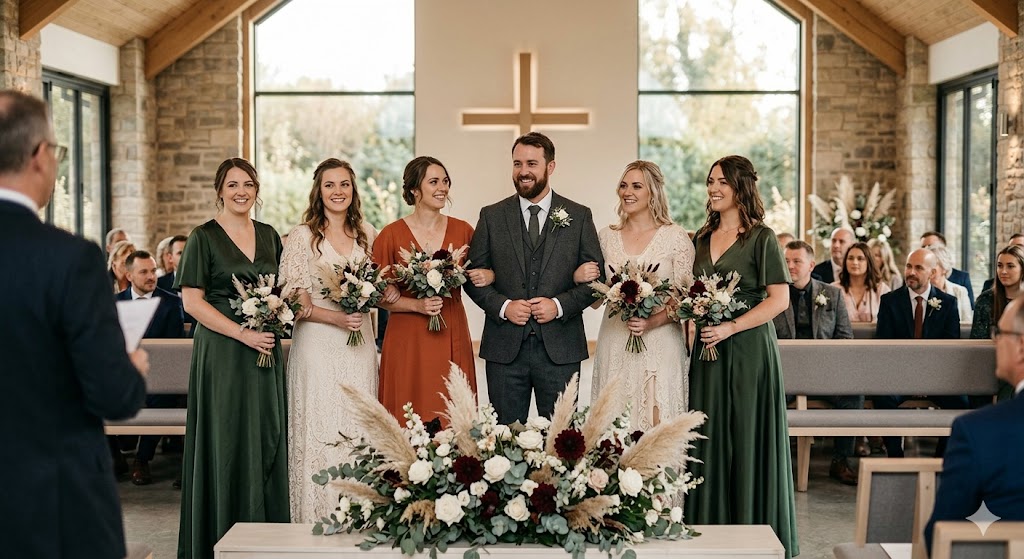
As the cost of living reaches unprecedented highs, a new cultural and legal movement is proposing a radical expansion of the American family unit. The “Tri-Tier Marriage Proposal” aims to move beyond traditional structures to create “stronger networks of people”.
The Three Pillars of Modern Marriage
- The Regular: The traditional union between one man and one woman.
- The Same-Sex: A legally recognized union between two individuals of the same gender.
- The Multi-Partner (Plural): A group union consisting of one primary “Husband” or “Wife” for multiple partners.
Why the Change?
This proposal isn’t just about romance—it’s about financial survival and community resilience.
- Financial Synergy: In an era of soaring home prices and student loan debt, group marriages allow multiple incomes to pool resources. This “group credit” approach could make homeownership attainable again for millions of young Americans.
- The Elder Care Crisis: One of the most significant benefits is the “Skip Assisted Living” model. By forming a multi-person household, younger members of the group can provide direct care for the elderly, while the elderly provide wisdom and child-rearing support, avoiding the exorbitant costs of nursing homes.
- Group Adoption: The proposal suggests that child-rearing is more effective as a “network.” Groups could adopt children together, ensuring a kid has a massive support system of multiple parental figures, creating a stronger foundation for the next generation.
Note: Advocates argue that this is the ultimate “Creation of a Stronger Network,” moving away from the isolated nuclear family toward a communal structure that mimics historical tribal support systems, updated for the 21st-century economy.
How do you envision the legal rights being shared among multiple partners in a group marriage—would everyone have equal ownership of the home, or would there be a “primary” holder?
Yes, they would learn to work it out. Every person brings unique skills to the group.


You must be logged in to post a comment.