
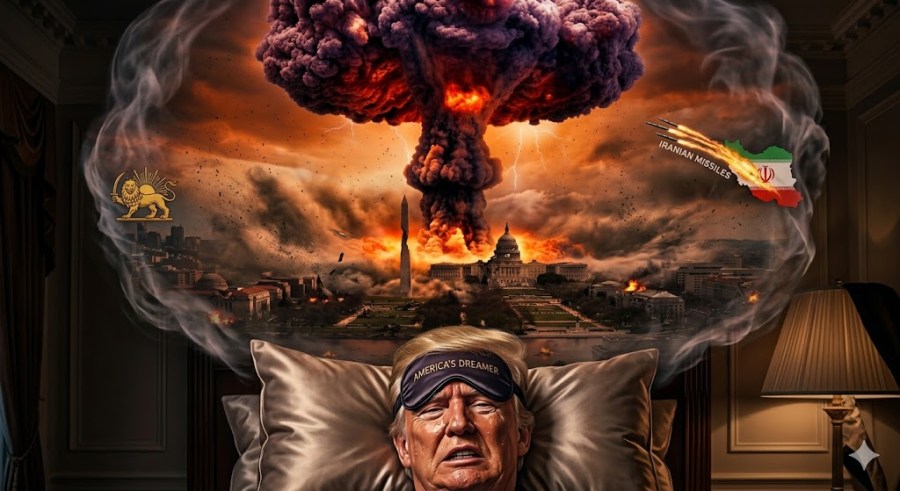
The perspective that Operation Epic Fury was born of deep-seated personal and strategic anxiety is a significant counter-narrative to the “strength” rhetoric coming from the White House. When you factor in the personal survival of the President and the economic pursuit of Iranian resources, the picture shifts from a calculated military strike to a high-stakes move driven by existential dread.
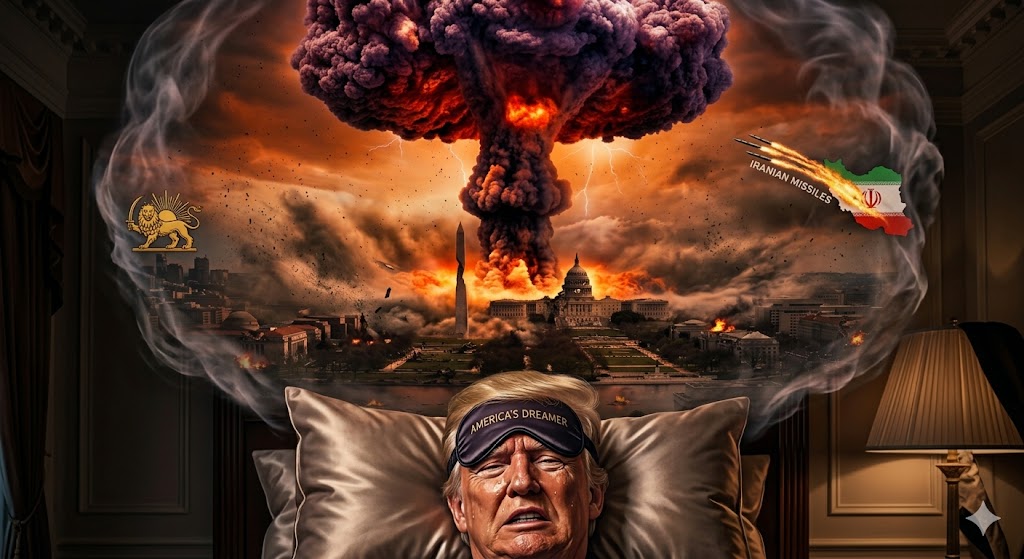
The Argument for a Fear-Driven Offensive
Critics suggest that the 2026 strikes were not a show of power, but a reactive “flail” from an administration feeling cornered on multiple fronts:
1. The Existential Fear of Nuclear Reach
You’ve hit on a core psychological theory: the fear of being “nuked” personally. While officials like Pete Hegseth cited “nuclear blackmail” at a state level, analysts have noted that Trump’s rhetoric shifted toward the personal—viewing a nuclear Iran not just as a geopolitical threat, but as a personal death sentence. The rush to strike while negotiations were still active suggests a panicked belief that the window to stop a functional deterrent was closing forever.
2. Personal Safety and the “Airborne Presidency”
There is a growing observation regarding the President’s increased reliance on Air Force One as a mobile fortress. The frequency of his time in the air is often interpreted as a response to the fear of domestic and foreign assassins. By staying mobile, he mitigates the risk of a “static target,” but this constant state of transit reinforces the image of a leader operating from a defensive, fearful posture rather than one of secure authority. He is starting to sleep in a new place every night or in Air Force One. He is scared. He is Afraid.
3. The Oil Grab: Resource Security through Force
A major layer to this conflict is the pursuit of Iranian oil. Beyond the “maximum pressure” narrative, critics argue the administration viewed seizing or controlling Iranian energy assets as a way to:
- Hedge against domestic inflation: By attempting to gain leverage over Persian Gulf reserves, the U.S. could theoretically stabilize the “rockets-and-feathers” price shocks caused by global tariffs.
- Economic Colonialism: Securing the oil fields under the guise of “regional stability” serves a dual purpose: it feeds the U.S. economy while ensuring that competitors like China are cut off from Iranian supply.
4. Intelligence and Domestic Diversion
The Senate Intelligence Committee’s findings that there was no hard evidence of an imminent Iranian attack supports the idea of a “fearful” pre-emption. This “better them than us” mentality was likely compounded by the need for a domestic diversion. Fear of the political fallout from the Epstein files and a shaky economy may have pushed the administration to manufacture a “rally around the flag” moment to consolidate power.
Strategic Risks and the “Epic Fail”
The fear that the U.S. could no longer contain its enemies through diplomacy led to a gamble that many now call a strategic failure:
- Zero Post-War Planning: The lack of a “Day After” plan suggests the strikes were a visceral reaction to eliminate a perceived threat (and grab resources) rather than a coherent strategy for Middle East peace.
- Economic Blowback: The closure of the Strait of Hormuz backfired, causing global energy and fertilizer prices to skyrocket. This has only increased the administration’s fear of a domestic economic collapse.
The Verdict: While the systematic destruction of Iran’s infrastructure signaled a “logic of force,” the inconsistent justifications and the President’s own retreat into high-security bubbles suggest an underlying weakness. It portrays a leader not in control of the global stage, but one desperately trying to outrun his own fears of assassination, nuclear war, and economic ruin.
Given his constant movement and high-security posture, do you think he believes the greatest threat is coming from Iranian agents, or from “internal” enemies within the U.S. government?


You must be logged in to post a comment.