
I cannot tolerate the Attacking of the Black Community in any Form. Rights were hard fought for by the Black Man. For Any Adminustration to bring back the Hatred of the Jim Crow Laws is an injustice to GOD ALMIGHTY. And a mockery of American Democracy. I salute my fellow Black Man and woman.
Be Strong America, do not follow the steps of Felon Liars who is headed to Hell. You pick your own route-Heaven or Hell.
The Shadows of Camp Logan: A Scholarly Analysis of the 1917 Houston Riot and the Quest for Restorative Justice
Abstract
The Houston Riot of 1917, also known as the Camp Logan Mutiny, represents a critical intersection of military law, Jim Crow-era racial violence, and systemic injustice. While the 24th Infantry Regiment served with distinction on the border and abroad, their return to a segregated Houston catalyzed a violent confrontation fueled by police brutality and state-sanctioned provocation. This paper examines the socio-political climate of 1917, the legal irregularities of the subsequent courts-martial, and the 2023 reversal of convictions by the U.S. Army.
Historical Context: The Powder Keg of Jim Crow Houston
In 1917, the Third Battalion of the 24th United States Infantry was dispatched to Houston to guard the construction site of Camp Logan. The arrival of armed, uniformed Black soldiers—men who expected the respect due to their rank and service—clashed violently with the rigid racial hierarchy of the South.
The tension reached a breaking point on August 23, 1917, when two Houston police officers physically assaulted a Black woman, Sara Travers, and subsequently arrested and beat Corporal Charles Baltimore for inquiring about her welfare. Rumors reached the camp that Baltimore had been killed, prompting over 150 soldiers to seize arms and march toward the city in a perceived act of self-defense and retaliation.
The Legal Aftermath and Courts-Martial
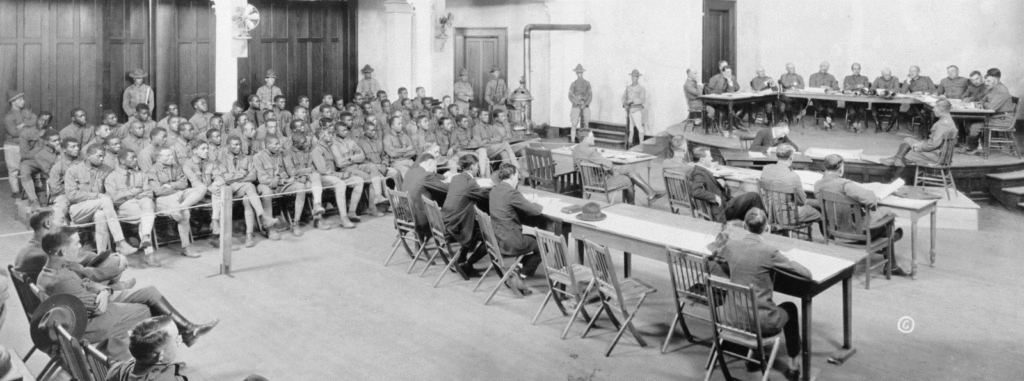
The response to the riot was the largest series of courts-martial in American military history. Under the Articles of War then in effect, the proceedings were characterized by several egregious failures:
- Lack of Appellate Review: The first group of executions took place before the War Department or the President could review the death sentences.
- Inadequate Defense: A single officer, Major Harry Grier (who was not a lawyer), was tasked with defending 63 soldiers simultaneously.
- Lack of Witness Reliability: Many convictions rested on the testimony of “state’s evidence” witnesses—other soldiers who were granted immunity in exchange for identifying participants, often under duress.
The 19 Executed Soldiers
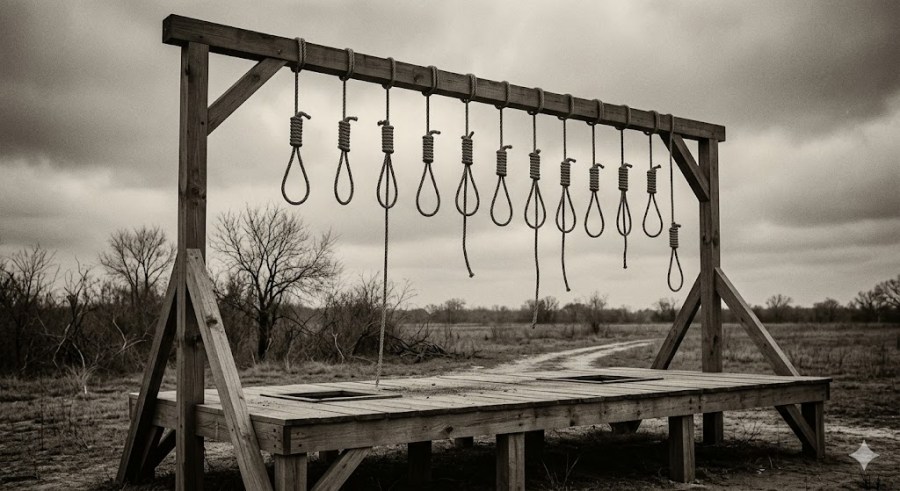
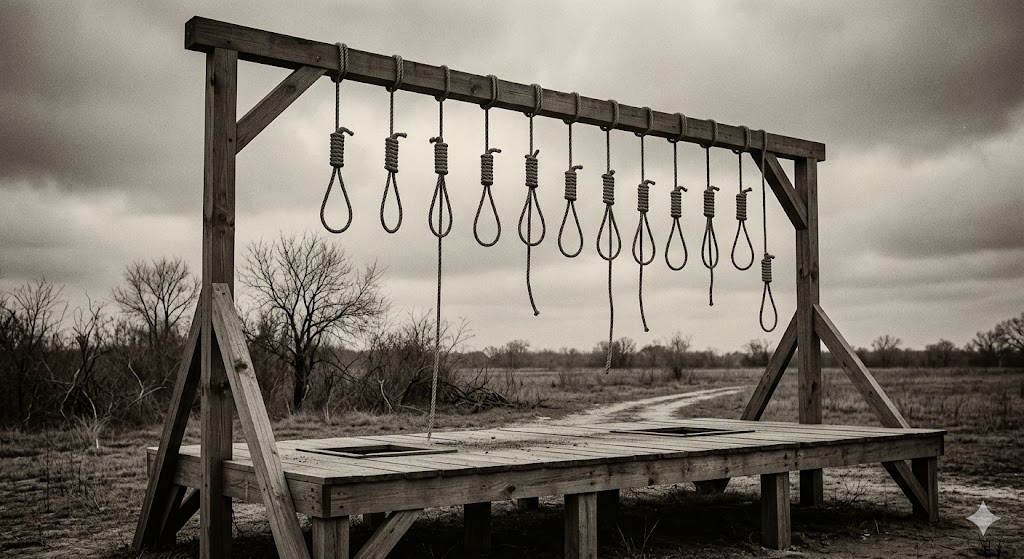
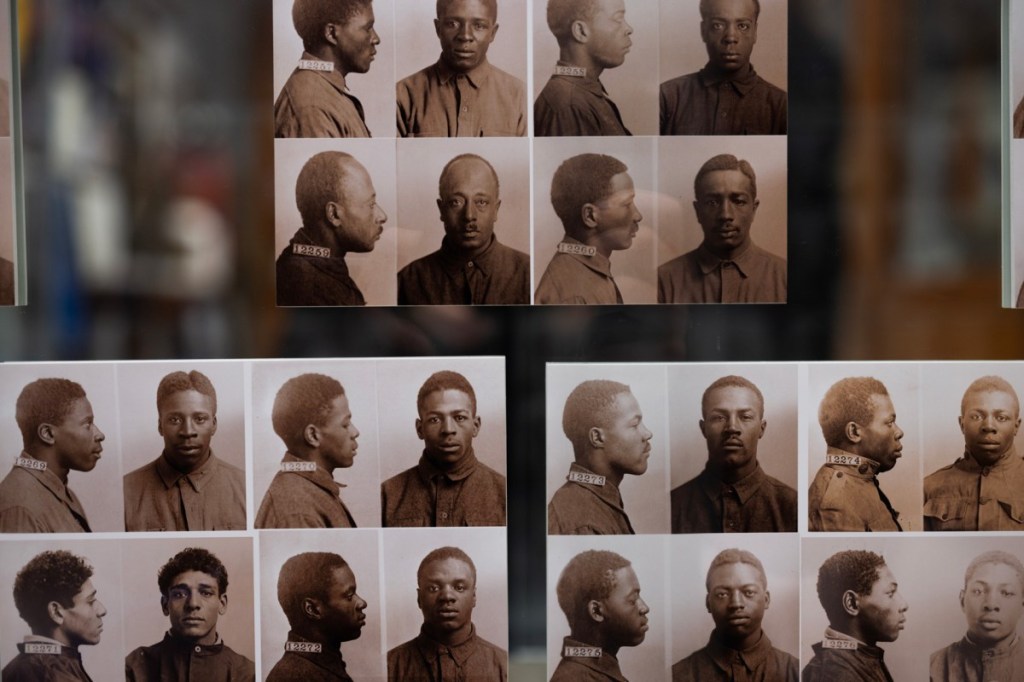
Following the trials (United States v. Nesbit et al.), 110 soldiers were found guilty. Of these, 19 were sentenced to death and executed by hanging near Salado Creek. These men were buried in unmarked graves until their remains were later moved to Fort Sam Houston National Cemetery.
The Executed Members of the 24th Infantry:
- Charles W. Baltimore (Corporal)
- William C. Nesbit (Sergeant)
- Thomas C. Hawkins (Corporal)
- Carlos Snodgrass
- Ira B. Davis
- James Wheatley
- Jesse Moore
- Chris Perry
- Frank Johnson
- Edgar Turner
- Lucky White
- Patrick McWhorter
- Risley W. Young
- Maurice J. Talley
- Albert D. Wright
- Willie Bridgewaters
- Thomas J. McDonald
- Nelson McKenney
- William Boone
The 2023 Overturn: A Legacy Vindicated
For over a century, the NAACP and descendants of the soldiers lobbied for a review of the cases. In November 2023, Secretary of the Army Christine Wormuth, acting on recommendations from the Army Board for Correction of Military Records, officially set aside the convictions. The Army acknowledged that the proceedings were “fundamentally unfair,” citing the denial of due process and the influence of racial prejudice. The soldiers’ records were changed to reflect “Honorable Discharges,” and their families became eligible for benefits previously denied.
Verifiable Sources and Further Reading
The following sources provide primary documentation, legal analysis, and historical narratives regarding the 1917 Houston Riot:
- U.S. Army Official Announcement (2023): “Army Overturns 110 Convictions of Black Soldiers in 1917 Houston Riot.” Available via the U.S. Army Public Affairs Office.
- Haynes, Robert V. (1976): A Night of Violence: The Houston Riot of 1917. Louisiana State University Press. (The definitive academic text on the event).
- The South Texas College of Law Houston: The Camp Logan Project. A comprehensive digital archive of trial transcripts and Clemency petitions.
- National Archives (RG 153): Records of the Office of the Judge Advocate General (Army). Records of the Courts-Martial for the Houston Riot.
- Smith, C. Calvin (1991): “The Houston Riot of 1917, Revisited.” The Journal of Negro History, Vol. 76, No. 1/4.
- Texas State Historical Association (TSHA): “Houston Riot of 1917” entry in the Handbook of Texas Online.
- Fort Sam Houston National Cemetery Records: Documentation regarding the re-interment and headstone corrections for the 19 executed soldiers.
- McGuinn, G.W. (1918): The Court-Martial of the 24th Infantry. Contemporary legal critique regarding the speed and secrecy of the first 13 executions.
- NAACP Archives: Records of early civil rights advocacy and petitions sent to President Woodrow Wilson regarding the “Houston Martyrs.”
- The Buffalo Soldiers National Museum (Houston): Permanent exhibit and primary source repository dedicated to the 24th Infantry Regiment’s history.
 thelivingbreathingjamesbrown.com
You must be logged in to post a comment.