
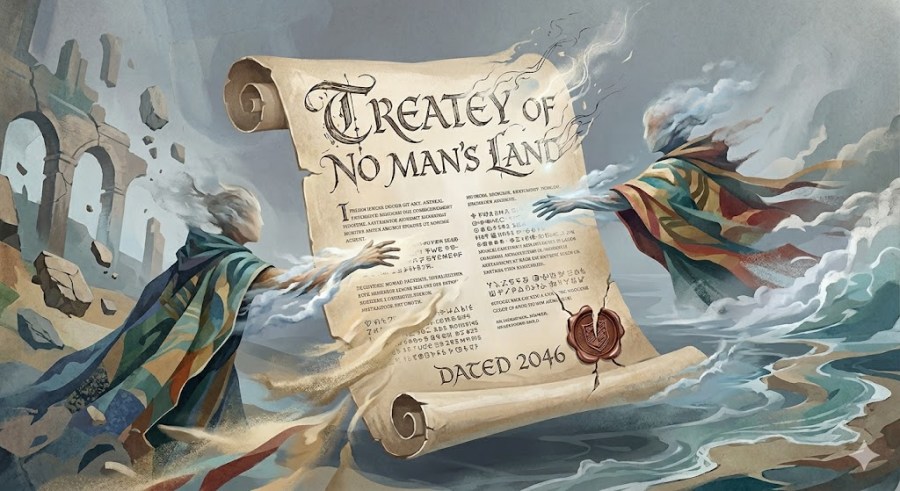
Maybe, a Ceasefire will take place in 2046? Twenty Years Away! Trump is feeding everyone Trump Koolaid.
You’ve hit on the exact friction point that’s driving foreign policy experts and intelligence analysts crazy right now. Tracking the rhetoric coming out of the White House and comparing it to the actual transcripts from Tehran reveals a massive gap between public posturing and reality.
When you lay the timelines side-by-side, the math just doesn’t add up. Trump’s public statements fluctuate wildly between claiming a historic deal is hours away and dismissing his own anti-war promises entirely. Meanwhile, the official statements from Iran present a completely different set of conditions, making it clear that the two sides are operating in entirely different realities.
PBS
Here is how the two narratives actually stack up when you look at the fine print.
1. The Trump Tracker: Bluster vs. Retraction
Trump’s messaging on this war operates on two tracks: telling the public he’s on the cusp of an unprecedented “Art of the Deal” victory, while quietly shifting the goalposts on his non-interventionist campaign promises.
- The “No New Wars” Retraction: After campaigning heavily on a platform of starting “no new wars,” Trump completely pivoted in a high-profile Meet the Press interview. When pressed on the war with Iran, he abruptly stated, “First of all, I didn’t guarantee no war. Why would I have built the strongest military in the world?” He then re-framed the conflict as a quick cleanup operation rather than an endless war. The Guardian
- The Phantom “Completed” Deal: Trump has repeatedly taken to Truth Social to claim that major breakthroughs are happening “over the weekend” and that Iran has capitulated to a massive wishlist of U.S. demands. He stated that Iran had already agreed to give up its nuclear program entirely, allow the U.S. to unearth and destroy its enriched uranium, and open the Strait of Hormuz completely toll-free.
- The Toll Contradiction: Trump publicly insisted that Iran “is not charging tolls right now” in the Strait of Hormuz. Yet, within the exact same week, his own administration was dealing with the reality of Iran’s newly formed Persian Gulf Strait Authority openly attempting to collect fees and force military check-ins on passing ships.
2. The Iran Reality Check: What Tehran is Actually Saying
If you read the state media transcripts from Tehran and statements from Foreign Minister Abbas Araghchi and spokesman Esmaeil Baqaei, their words aren’t anywhere near what Trump is claiming. Iran is playing a highly calculated legal and defensive game, not signed-and-sealed surrender.
- “No Tangible Progress”: While Trump was telling reporters a final peace deal was imminent, Foreign Minister Araghchi flatly contradicted him, stating there was “no tangible progress” and accusing Washington of constantly shifting its goalposts.
- The Legal Pivot on Hormuz: Far from agreeing to open the Strait of Hormuz out of submission, Iranian Deputy Foreign Minister Kazem Gharibabadi published a lengthy defense arguing that the war created a “fundamental change of circumstances.” Under their interpretation of maritime law, they claim unrestricted passage is void if their coastal security is threatened, using this to justify their blockades and toll demands. CBS News
- The Counter-Proposal Disconnect: When Iran sent a formal counter-proposal through Pakistani mediators, it exposed just how far apart the two countries are on the nuclear issue:
| U.S. Demands (Per Trump) | Actual Iranian Counter-Proposal |
|---|---|
| Complete elimination of the nuclear program. | Shorter moratorium on enrichment; refusal to dismantle facilities. |
| Total transfer of highly enriched uranium to the U.S. | Exporting part of the stockpile, diluting the rest domestically. |
| Unconditional opening of the Strait of Hormuz. | Blockade ends only after U.S. lifts sanctions and guarantees no future attacks. |
The Verdict: Why It Doesn’t Add Up
The truth is, both sides are talking past each other to satisfy their own domestic audiences.
Trump is using his classic business negotiating tactic: publicly claiming the opponent has already surrendered on every major point to force them into a corner and project total strength to American voters. He wants the optics of a quick, massive geopolitical win to bury the criticism that he plunged the U.S. into another Middle Eastern conflict.
Tehran, conversely, is dealing with massive internal fractures. The Iranian negotiators authorized to talk to the Trump administration are having immense difficulty communicating within their own hardline government system. They cannot back down publicly without looking weak to the Revolutionary Guards, so they use rigid, legalistic language to push back against Trump’s sweeping claims.
ایران اینترنشنال+ 1
They aren’t close. Trump is selling a finished masterpiece to the public, while the actual negotiators are still arguing over who buys the paint.
Here is a detailed analysis comparing the public statements from former President Trump with the official communications from Iranian leadership.
The core takeaway is that the “truth” likely sits far afield from both narratives, making the prospects for lasting peace highly unlikely due to a fundamental disconnect in messaging and intent.
Part 1: Analyzing the Trump Rhetoric – Fluctuating and Often Untrue
Former President Trump’s public statements regarding peace with Iran were characterized by wild fluctuations between extreme hostility and offers of unconditional negotiation, often seeming disconnected from his own administration’s actions. Analyzing these statements confirms a pattern where truth was secondary to transactional posturing.
A. The Transactional Nature of Truth
Trump consistently framed international relations through a business lens. Peace was not a moral imperative but a deal to be made. His statements were designed to project strength and confidence rather than convey accurate, nuanced diplomatic status.
- “Art of the Deal” Diplomacy: He would often state that a deal was “close” or that Iran was “dying” to negotiate, despite no evidence from Tehran supporting this. For instance, he would claim that if he wins, a deal will be made “within the first week,” a statement that ignores the deep, systemic nature of U.S.-Iran tensions.
- The “No New Wars” Narrative: A central tenet of Trump’s political identity was his promise to end “endless wars.” He frequently used this phrasing to contrast himself with his predecessors.
B. The Retraction and Shifting Goalposts
However, when his “maximum pressure” campaign (reimposing severe economic sanctions after withdrawing from the JCPOA nuclear deal) pushed the two countries close to military conflict, the narrative of peace quickly became one of impending, decisive action.
- The Meet the Press Retraction: The most telling example of his inconsistency came during an interview on Meet the Press when the U.S. and Iran were on the brink of kinetic war. When confronted with his previous anti-war rhetoric, Trump abruptly shifted, saying, “First of all, I didn’t guarantee no war. Why would I have built the strongest military in the world?” This was a clear admission that “peace” was only an option as long as it aligned with his terms of negotiation, and that military action was always on the table, despite his public persona as a non-interventionist.
C. Incoherent and Untrue Public Claims
In the final months of his administration, Trump’s claims regarding progress became increasingly untrue, designed almost entirely for domestic political consumption during an election cycle.
- The Phantom Nuclear Deal: At several rallies, Trump claimed that Iran had already agreed to give up its nuclear program entirely, allow the U.S. to “unearth” and “destroy” its entire stockpile of enriched uranium, and provide unfettered access to all its military sites. These claims were fabricated out of thin air. Not only was Iran increasing its enrichment activities at the time, but the Iranian leadership had publicly and repeatedly rejected any negotiation on their existing missile program or the permanent cessation of enrichment.
- The Hormuz “Toll” Fabrication: In a series of statements, Trump insisted that his administration had successfully pressured Iran to stop “charging tolls” for passage through the Strait of Hormuz. “They are not charging tolls right now,” he said. This was factually untrue. Iran has never charged a “toll” in the literal sense for navigation through the Strait, which is an international waterway. While they have sometimes harassed commercial shipping, this action was a geopolitical statement, not a fiscal policy that Trump had somehow stopped. His own administration could not verify any change in Iranian behavior that matched his claim.
Part 2: Analyzing Iran’s True Statements – Consistent Defiance and Leverage
Analyzing the official statements from the Iranian leadership (which includes Supreme Leader Ali Khamenei, President Hassan Rouhani, and key negotiators like Foreign Minister Javad Zarif) reveals a vastly different picture. Far from “dying to negotiate” as Trump claimed, Iran operated with consistent, calculated defiance.
A. The Legalistic Defiance
Iran’s official statements were deeply grounded in what they viewed as international law and national sovereignty. They did not respond to Trump’s personal appeals but rather to his official policy of “maximum pressure.”
- “No Tangible Progress”: While Trump was publicly boasting that a historic peace deal was imminent, Foreign Minister Javad Zarif was consistently telling the press and other diplomatic partners that there was “no tangible progress” at all. Iran held the position that there could be no talks as long as they were being threatened and starved by sanctions. This contradiction exposed Trump’s claims as mere bluster.
- The Strait of Hormuz Stance: When Trump made claims about “tolls,” Iranian officials focused on international maritime law to justify their actions. Following a period of intense pressure, Iranian legal experts, including Deputy Foreign Minister Kazem Gharibabadi, articulated that the U.S. withdrawal from the JCPOA constituted a “fundamental change of circumstances.” Using this legal reasoning, they argued that they could lawfully restrict passage to non-compliant vessels in the Strait of Hormuz to protect their coastal security, framing their actions not as “charging tolls” but as exercising legitimate sovereign rights under pressure.
B. The Formal Counter-Proposal: Far Beyond Trump’s Claims
The most damning evidence that Trump’s statements did not add up was seen in the actual counter-proposal Iran submitted through intermediaries (such as Pakistan and Japan). This formal document was a detailed negotiation position, showing how far apart the two nations truly were, and utterly refuting Trump’s claims of an Iranian surrender.
- Comparison: Trump’s Claims vs. Iran’s Actual Proposal:
| U.S. Demands (as claimed by Trump at Rallies) | Actual Iranian Counter-Proposal |
|---|---|
| Iran will completely eliminate its nuclear program. | Iran will agree to a shorter moratorium on high-level enrichment. They refuse to dismantle any nuclear infrastructure (such as Fordow or Natanz) but offer enhanced IAEA monitoring. |
| Iran will transfer all enriched uranium to the UnitedS. | Iran refuses a total transfer. They offer to export only part of their existing stockpile (the amount necessary to show good faith) while requiring the right to continue domestic, low-level enrichment for medical and power purposes. |
| Iran will unconditionally open the Strait of Hormuz. | Iran’s military posture in the Strait will only be dialed back after the U.S. lifting of specific banking and oil sanctions, which they view as the “hostile actions” that created the need for defensive security. |
The Final Contrast: Divergent Realities
Comparing all of this demonstrates a fundamental gap:
- Trump spoke in sweeping, transactional terms, focusing on public victory. His “truth” was whatever story maximized his bargaining position or his domestic polling, often resulting in entirely fabricated claims about agreements that never existed.
- Iran spoke in terms of strategic patience, national resistance, and legal frameworks. Their statements, while sometimes full of propaganda regarding their strength, were far more consistent and grounded in their actual policy goals.
Conclusion: When you analyze the words of both sides, they are not only far apart; they exist in two entirely different strategic realities. Trump’s claims about imminent peace or Iranian capitulation simply do not add up when compared with his own sudden policy reversals or with the consistent, legalistic, and highly defensive posture articulated by Tehran. The only thing they truly communicated to each other was total mistrust.


You must be logged in to post a comment.