
Titans of the East: The Icons, Innovators, and Icons of East Asian Cinema
For over a century, East Asian cinema has been a massive powerhouse of global entertainment. From the black-and-white masterworks of post-war Japan to the neon-drenched, adrenaline-fueled streets of British Hong Kong, and right up to the modern global dominance of South Korea’s Hallyu (Korean Wave), East Asia hasn’t just participated in movie history—it has actively rewritten the playbook.
The true engines behind this massive cultural footprint are the stars themselves. These aren’t just actors reading lines; they are legendary physical performers, masters of micro-expression, and cultural icons who fought through studio systems, political upheaval, and rigid Hollywood stereotypes to command global respect.
“I love me some Orientals.” “Yes. We know comrade, but how young do you go.”
1. The Post-War Pioneers: Japan’s Golden Age
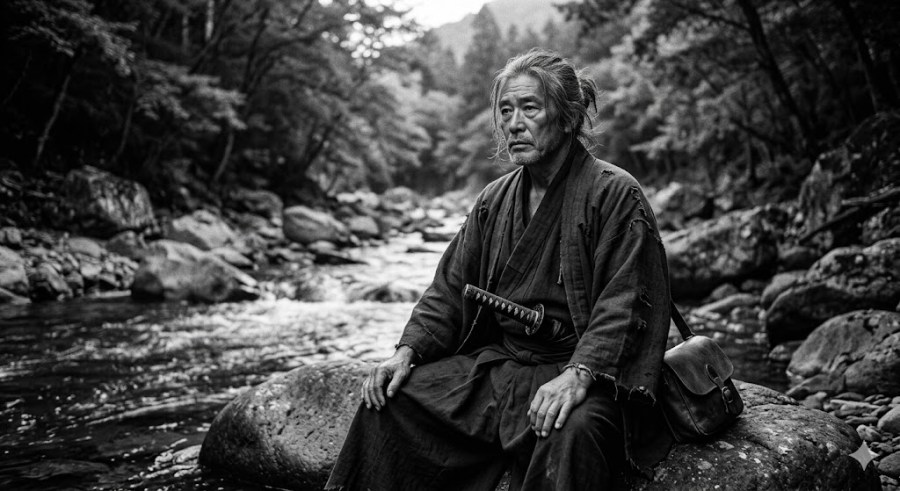
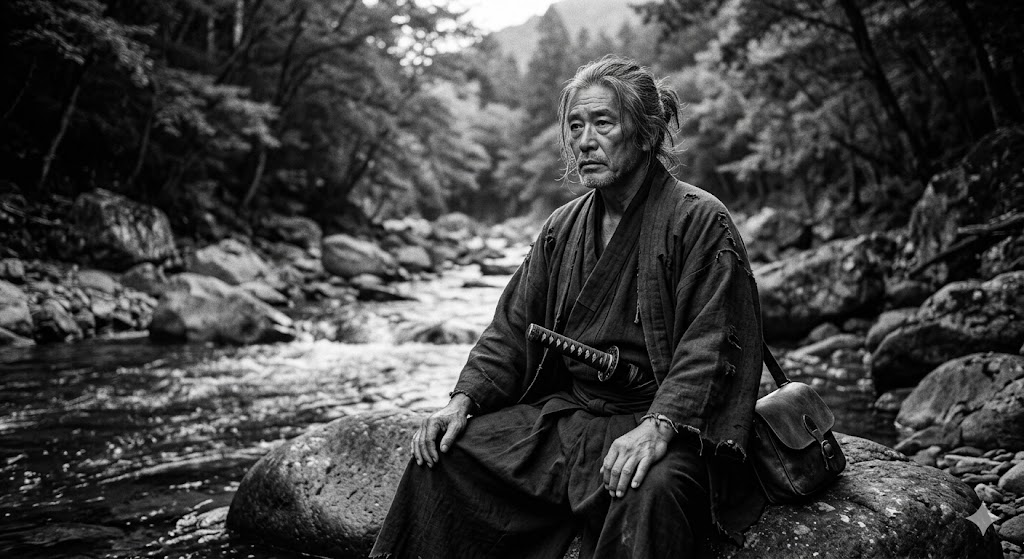
In the 1950s and 60s, a devastated post-war Japan processed its trauma and rapid modernization through a staggering explosion of cinematic genius. At the center of this movement was the legendary director Akira Kurosawa and his undisputed muse, Toshiro Mifune.
Toshiro Mifune: The Blueprint for the Modern Antihero. Source: The Arts Fuse
Toshiro Mifune: The Raw Force of Nature
Before Mifune, the classic cinematic samurai was portrayed as elegant, stoic, and perfectly clean. Mifune completely blew that stereotype to pieces. In masterpieces like Seven Samurai (1954) and Yojimbo (1961), he scratched himself, spat, growled, and brought a raw, unhinged, feral energy to the screen.
- The Juice: Mifune’s off-screen life was just as intense as his characters. A car enthusiast with a notoriously fiery temper, he once reportedly lined up his personal vehicles outside Akira Kurosawa’s home, blasting his car horn in the dead of night to protest a grueling shoot. Despite their legendary clashes, their partnership yielded 16 cinematic milestones that fundamentally structured modern Western action movies—directly inspiring everything from Clint Eastwood’s Man with No Name to George Lucas’s Star Wars.
The Modern Descendants
Today, that legacy of heavy, sweeping dramatic presence lives on through veterans who command immediate respect on both sides of the Pacific:
- Hiroyuki Sanada: The undisputed king of modern historical epics, recently cementing his legacy by anchoring and producing the global phenomenon Shōgun (2024).
- Kōji Yakusho: An absolute arthouse titan who captured the Best Actor Award at the Cannes Film Festival for Perfect Days (2023).
2. The Dragon and the Neon Streets: Hong Kong’s Golden Era
By the 1970s and 80s, the global epicenter of pure cinematic adrenaline shifted directly to Hong Kong. Operating under intense, breakneck studio schedules, Hong Kong filmmakers engineered a completely new genre of hyper-kinetic action and deeply poetic romance.
Bruce Lee: Changing the World in 32 Years
You cannot discuss martial arts cinema without starting and ending with Bruce Lee. He didn’t just introduce Jeet Kune Do to the West; he destroyed the classic, submissive Hollywood caricatures of Asian men, replacing them with pure, unadulterated, electrifying charisma.
Bruce Lee: Global Icon of Strength and Charisma. Source: Valley Martial Arts Supply
- The Juice: Lee’s speed was so fast that old-school 35mm film cameras literally couldn’t capture his strikes. Directors had to contractually obligate him to slow his movements down down to 24 frames per second just so the audience could actually see what happened. His sudden, tragic death in 1973 created an immediate power vacuum, triggering the bizarre “Bruceploitation” era where studios desperately hired lookalikes named Bruce Li or Bruce Le to cash in on his name.
Jackie Chan: The Invincible Stuntman
While others tried to copy Lee’s intense fury, a young stuntman named Jackie Chan realized the only way to survive in Lee’s shadow was to do the exact opposite. He blended jaw-dropping, death-defying martial arts with silent-film physical comedy, heavily inspired by Buster Keaton.
- The Juice: Jackie Chan has broken almost every bone in his body for the camera. While filming Armour of God (1986), a routine jump onto a tree branch snapped, causing him to fall 15 feet directly onto solid rock. The impact fractured his skull, driving a piece of bone directly into his brain. He survived emergency brain surgery and still has a plastic plug in his skull to this day.
Tony Leung Chiu-wai: The Master of Eyes
Hong Kong wasn’t just about high kicks and flying bullets. Under the direction of auteur Wong Kar-wai, Tony Leung became the international standard for romantic longing and cool, understated melancholy.
Tony Leung: Acting with a Single Glance. Source: Pam Cook
- The Juice: Leung is famously introverted, known for delivering performances of staggering depth without saying a single word. On the set of In the Mood for Love (2000), Wong Kar-wai’s notoriously scriptless, improvised shooting style drove the cast ragged. Leung reportedly ate 26 bowls of wonton noodles in a single day across endless retakes just to get one specific, melancholic eating scene exactly right.
3. The Modern Sovereigns: South Korea’s Box-Office Titans
In the 21st century, South Korea executed one of the most successful cultural takeovers in human history. Unlike Hollywood, which often relies on muscle-bound superheroes, South Korean cinema built its multi-billion-dollar empire on gritty, deeply human, character-driven performances.
Song Kang-ho: The Everyman Hero
If South Korean cinema has a definitive face, it belongs to Song Kang-ho. He has an uncanny, unmatched ability to play the slightly goofy, regular working-class dad who gets dragged into terrifying, high-stakes situations.
Song Kang-ho: The Definitive Face of the Korean Wave. Source: LA Times
- The Juice: Long before making history with the Oscar-winning Parasite (2019), Song was blacklisted by the conservative South Korean government under President Park Geun-hye due to his roles in politically sensitive films like The Attorney. For years, major studios were quietly pressured not to fund his projects—a move that completely backfired when the blacklist was exposed, turning Song into an absolute folk hero of artistic freedom.
Ma Dong-seok (Don Lee): The Human Wrecking Ball
On the completely opposite end of the spectrum is Ma Dong-seok. A former personal trainer to legendary MMA fighters, he single-handedly revitalized the classic blue-collar action star genre with The Roundup franchise.
- The Juice: Ma Dong-seok’s charm relies heavily on his massive, imposing physique contrasted against an incredibly sweet, deadpan sense of humor. He famously runs his own creative production team, developing scripts specifically tailored to ensure he gets to punch through solid drywall while simultaneously delivering dry, witty one-liners.
The Cross-Generational Playbook
To see how these different industries operate side-by-side, we can look at what drives their biggest stars across the landscape today:
| Region | Production Style | Top Star Archetype | Crucial Defining Masterpiece |
|---|---|---|---|
| Japan | Meticulous, indie-focused, anime/manga-crossover adaptations. | Stoic historical legends & high-intensity psychological leads. | Seven Samurai / Godzilla Minus One |
| Hong Kong | High-octane choreography, practical stunts, moody neon crime thrillers. | Hyper-athletic martial artists & deeply poetic romantic leads. | Enter the Dragon / In the Mood for Love |
| South Korea | High-budget, gritty political thrillers & high-concept genre-blends. | Raw, emotionally explosive everymen & heavy-hitting character actors. | Oldboy / Parasite |
From the roaring, dirt-stained samurai of the 1950s to the sharp-suited, melancholic gangsters of the 1990s, and the raw everymen of modern blockbusters, East Asian movie stars have consistently forced the rest of the world to sit up and take notice. They didn’t just build a regional film industry—they carved out a permanent, undeniable legacy in the bedrock of global pop culture.


You must be logged in to post a comment.