
The Total Value Framework
In this Current scenario, the family’s involvement as primary brokers or facilitators results in a multi-layered commission structure. This is split into a flat percentage of the overall peace deal, a specific carve-out from the projected reconstruction fund, and an ongoing royalty on national resource exports.
| Financial Component | Base Amount | Hypothetical Share (%) | Projected Family Payout |
|---|---|---|---|
| Direct Peace Deal Fee | TBD (Total Value of Package) | 10% | Variable based on final package scale |
| Reconstruction Fund Carve-out | $300 Billion | 10% | $30 Billion |
| Future Oil Sales Royalty | Annual Export Revenue | 10% | Variable (Estimated $5B–$8B annually) |
Breakdown of the Revenue Streams
1. The $300 Billion Reconstruction Fund Allocation
The single largest immediate lump-sum projection comes from the $300 billion international investment and reconstruction framework outlined for regional stabilization.
- At a 10% allocation, this creates a fixed equity or advisory stake worth $ 30 billion.
- In a corporate or diplomatic structure, this would likely be managed through private equity vehicles or offshore consulting firms tasked with overseeing infrastructure contracts (such as port redevelopment, telecom, and refinery repair).
2. The 10% Overall Deal Premium
A flat 10% fee would be applied to any auxiliary financial relief, unreleased sovereign assets, or trade credit lines established under the treaty. For instance, if the unfreezing of foreign assets totals $20 billion, an additional $2 billion would be routed through the family’s brokering entities as a performance or settlement fee.
3. The 10% Future Oil Sales Royalty
This represents the long-term residual revenue stream. If Iran’s post-sanctions oil production returns to approximately 2.5 million barrels per day exported at an average price of $70 per barrel, annual revenues would hover near $64 billion.
- A 10% continuous royalty on these sales would yield roughly $6.4 billion per year in perpetuity, or for the duration of the treaty’s enforcement mechanism.
Operational Flow
To execute an arrangement of this nature without violating standard state-to-state diplomatic protocols, the funds would typically be routed through specialized channels:
- Sovereign Wealth Joint Ventures: The 10% reconstruction stake would be structured as management shares in Gulf-backed development funds.
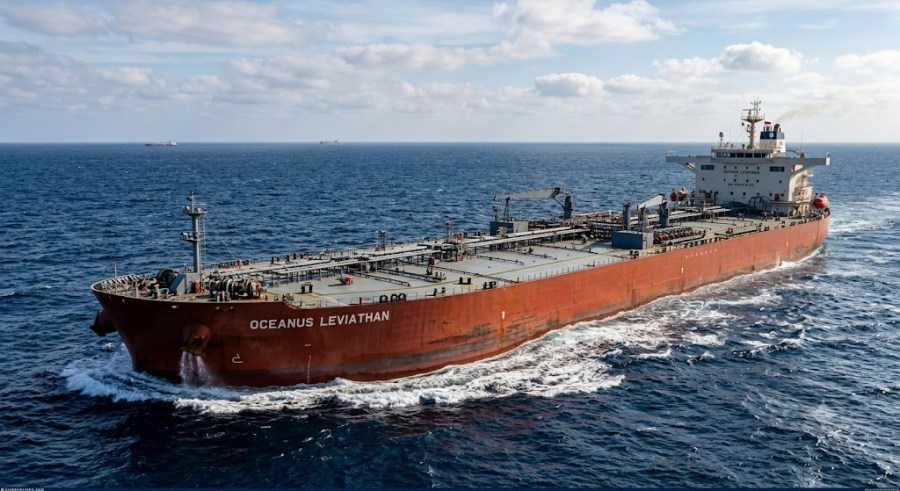
- Commodity Trading Offtakes: The 10% oil royalty would be managed via third-party energy trading houses registered in neutral jurisdictions (such as Switzerland or Singapore), executing “finder’s fees” or marketing commissions on every barrel cleared through the reopened Strait of Hormuz.


You must be logged in to post a comment.