
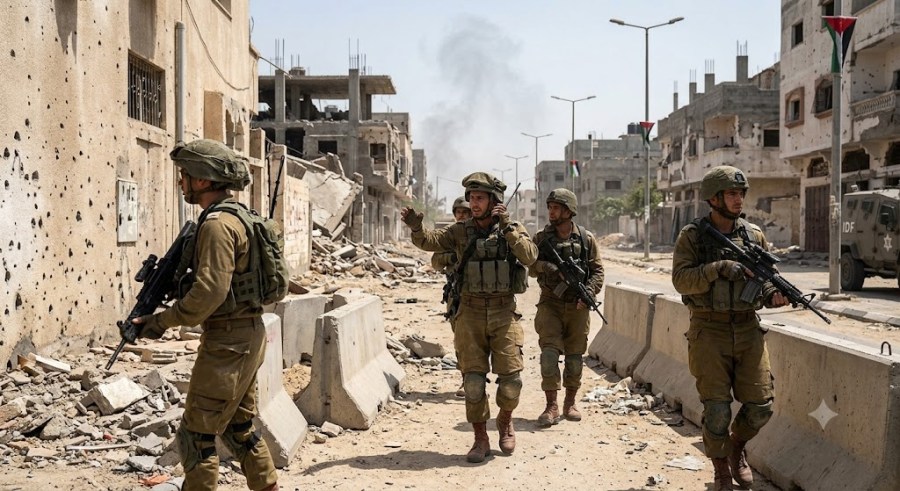
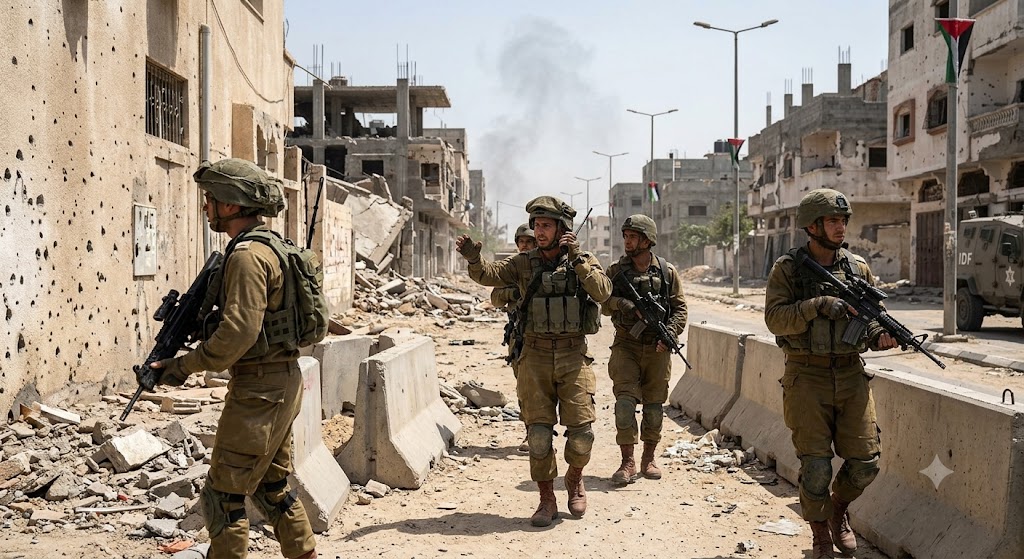
The ongoing military operations and civilian casualties in the Gaza Strip are the result of a complex interplay of strategic military goals, deep-rooted political impasses, and the inherent challenges of urban warfare.
1. Israeli Security Strategy and Operational Directives
From the perspective of the Israeli government and the Israel Defense Forces (IDF), continued military actions and targeted strikes in Gaza are driven by several core objectives:
- Neutralizing Hamas Infrastructure: Israel maintains that Hamas and other militant groups continue to pose an active security threat. Military operations focus on destroying remaining tunnel networks, weapons caches, and underground command posts.
- Targeting Militant Leadership: The IDF continues to conduct precision strikes against local Hamas commanders, security officials, and fighters whom Israel accuses of planning attacks or attempting to re-establish administrative control.
- Buffer Zone and Perimeter Control: Israeli forces enforce designated security perimeters (such as control lines within the territory) to prevent incursions into Israeli territory and safeguard military personnel stationed along border zones.
- Urban Warfare Dynamics: Israel argues that combatting a non-state armed group embedded within densely populated urban environments, residential structures, and public infrastructure inevitably leads to intense operational hazards.
2. Militant Operations and Urban Embedding
The operational posture and tactics of Hamas and allied armed groups significantly influence the operational environment in Gaza:
- Resistance to Disarmament: Hamas leadership has consistently rejected demands for unilateral disarmament, asserting its stance to maintain military capabilities as long as Israeli forces remain in or control parts of the enclave.
- Use of Civilian Infrastructure: Critics and international observers note that armed groups operating out of densely populated neighborhoods, residential areas, and civilian sites increase the risk of civilian casualties during localized engagements and air strikes.
- Governance and Security Parallel: In areas not directly held by foreign forces or international monitors, Hamas retains operational cells and security personnel, leading to frequent military encounters with Israeli forces.
3. Stalled Diplomatic and Transitional Frameworks
Despite international mediation efforts—including UN Security Council resolutions and U.S.-brokered peace frameworks aimed at establishing transitional governance—the implementation of a permanent end to hostilities remains stalled:
- Disarmament and Withdrawal Deadlocks: Key provisions—such as the phased decommissioning of Hamas’s heavy weaponry in exchange for full Israeli military withdrawal—face severe disagreement over sequencing, verification, and timing.
- Governance Vacuum: Delays in deploying international stabilization forces or transferring civilian administration to neutral technocratic committees have left political and administrative vacuums across Gaza, which regularly reignite localized combat.
- Regional Geopolitics: Broad regional conflicts and shifting diplomatic priorities have repeatedly diverted international leverage away from finalizing a comprehensive, lasting political settlement for Gaza.
4. Civilian Impact and International Law Concerns
The human toll of the ongoing conflict remains a point of intense international scrutiny and debate:
Humanitarian Perspective: The United Nations, human rights organizations, and international legal experts frequently highlight that high civilian death tolls, severe displacement, and infrastructure damage underscore the immense difficulty—or failure—of protecting non-combatants in high-intensity military actions. They emphasize requirements under international humanitarian law regarding distinction, precaution, and proportionality.
Israeli Defense Perspective: Israeli authorities counter that they take measures to minimize non-combatant harm—such as issuing evacuation warnings and utilizing precision munitions—and attribute civilian casualties to Hamas’s strategy of operating within civilian populations.


You must be logged in to post a comment.