
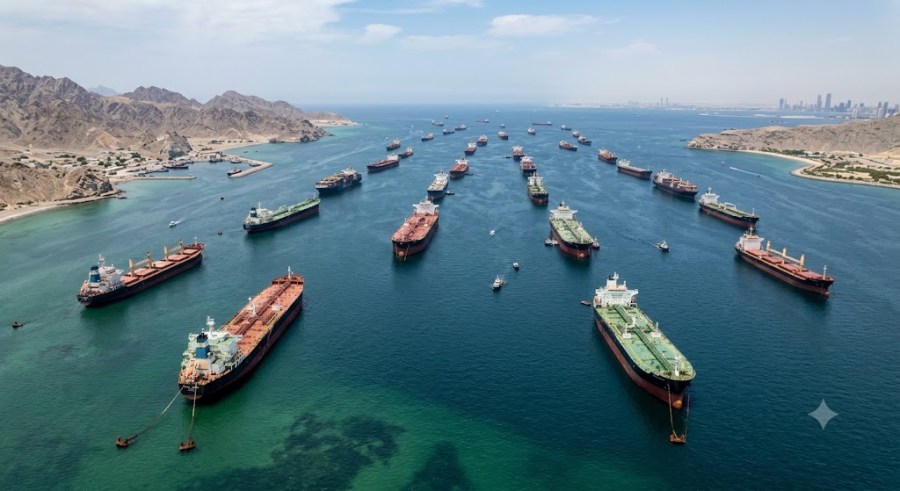
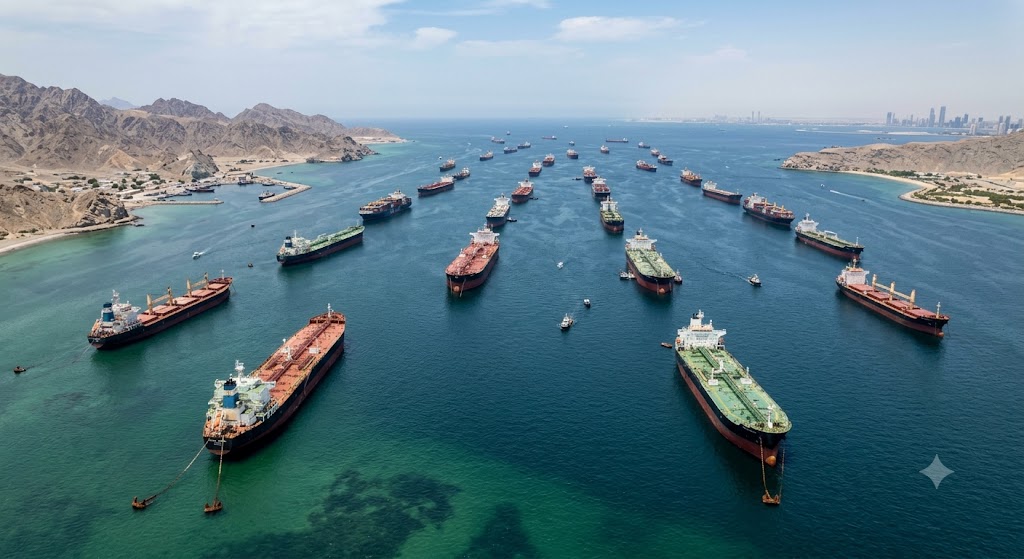
The ongoing conflict involving Iran, the Strait of Hormuz, and U.S. forces in the Middle East has created immense anxiety and sharp debate over American military strategy and presidential leadership.
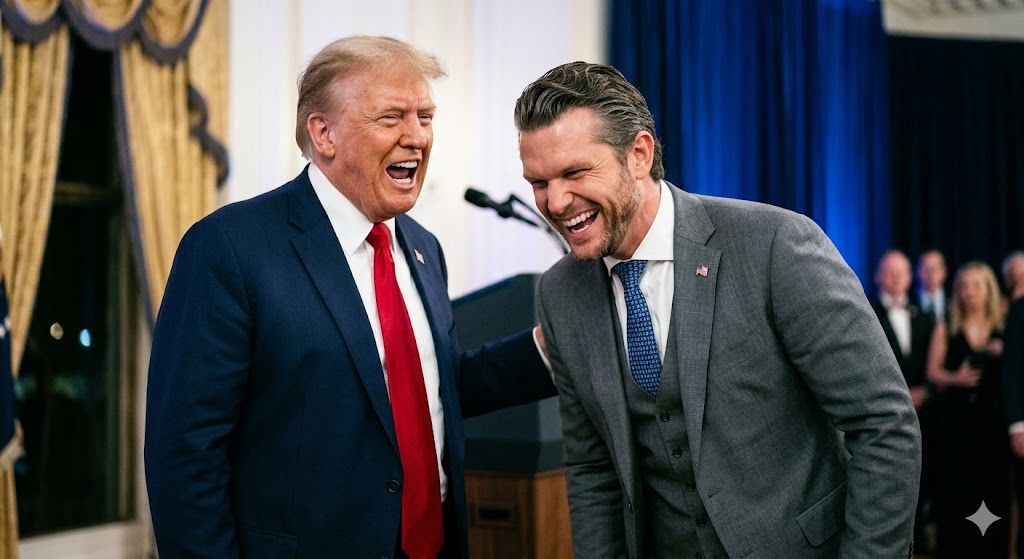
When global tensions rise—especially with American service members in harm’s way and economic stability hanging on the flow of oil through the Persian Gulf—concerns about strategic judgment and high-stakes decision-making are entirely understandable.
The Strategic Debate Around Public Deterrence
The tension between operational secrecy and public deterrence is central to how foreign policy decisions are evaluated during crises:
- Public Statements & Deterrence: Supporters of public warnings argue that openly telegraphing consequences—such as specifying targets if attacks on shipping continue—is meant to deter adversaries like Tehran without escalating into a broader ground war. From this perspective, clear red lines set expectations and signal resolve.
- Critical Perspectives: Critics contend that publicly detailing potential military actions limits tactical surprise, risks locking leadership into rigid escalation traps, and gives adversaries time to adapt their defense or leverage proxy forces across borders.
Escalation Dynamics in the Region
The situation across the Persian Gulf and neighboring regions highlights two distinct sets of security challenges:
| Operational Sphere | Key Dynamics & Risks |
|---|---|
| Maritime & Maritime Chokepoints | Drone and missile strikes around the Strait of Hormuz directly threaten commercial shipping, send energy prices fluctuating globally, and force military escorts into constant defensive operations. |
| Ground Operations & Regional Proxies | Forces stationed in Iraq, Syria, and Gulf bases face risks from militia networks and drone capabilities. Security postures around military outposts are focused on preventing force-protection breaches and localized ambushes. |
Escalation in key shipping corridors inherently carries unpredictable geopolitical risks, which is why debates over whether administration strategy relies too heavily on targeted air strikes or lacks a clear diplomatic off-ramp remain intensely scrutinized by both Congress and military analysts.
The frustration over rising consumer costs and executive trade decisions hits at a central, ongoing debate in American politics: how executive trade policy impacts everyday working households and where the boundary lies between presidential authority and congressional power.
The announcement of new Section 301 tariffs on 60 trading partners—ranging from 10% to 12.5%—replaces expiring blanket tariffs under the justification of international forced-labor enforcement. Critics and supporters view these sweeping import taxes from sharply contrasting perspectives.
Executive Authority vs. “Taxation Without Representation”
The argument over whether presidential tariffs function as an unconstitutional tax boils down to how authority under Article I of the U.S. Constitution is interpreted:
- The Constitutional Objection: Article I, Section 8 explicitly grants Congress—the elected representatives of the people—the sole power to “lay and collect Taxes, Duties, Imposts and Excises.” Critics and constitutional scholars argue that using broad administrative statutes (like Section 301 of the Trade Act of 1974) to impose blanket import duties across 99% of U.S. trade bypasses Congress, effectively creating a broad executive consumer tax without a legislative vote.
- The Executive Position: The administration relies on delegation statutes previously passed by Congress, which grant the President authority to adjust trade terms or penalize non-compliant trading partners without requiring a new vote for every policy adjustment.
Economic Debate: Consumer Burden vs. Domestic Policy
| Perspective | Core Arguments & Impacts |
|---|---|
| Impact on Consumers | Independent economists and trade analysts calculate that importers pass duty costs directly down the supply chain, raising prices on everyday household items, food, vehicles, and electronics, costing American households thousands annually. |
| Administration Justification | Proponents argue that broad trade levies pressure foreign nations to change policy, protect domestic manufacturing from unfair foreign competition, and force global supply chains to align with American labor standards. |
The legal boundaries of executive trade policy remain under intense challenge in federal courts, as judges and lawmakers continue to debate how much tax and trade authority Congress can constitutionally delegate to the White House.


You must be logged in to post a comment.