
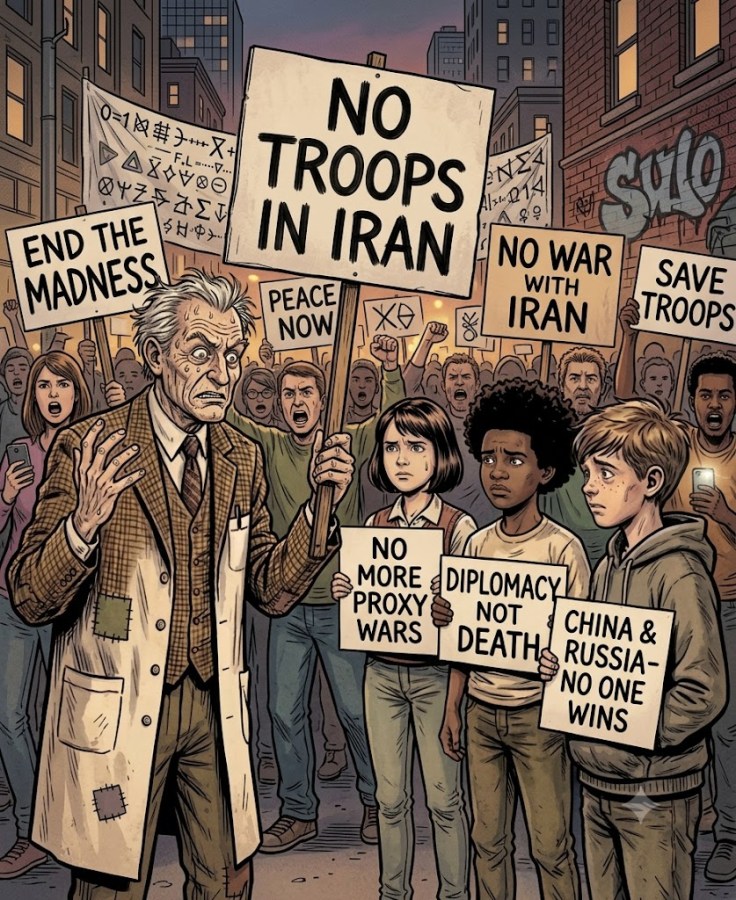
It’ll be a never-ending War until the American People become sick if it. By the end of August, we will have over a thousand U.S. Casualties in the Iran War.
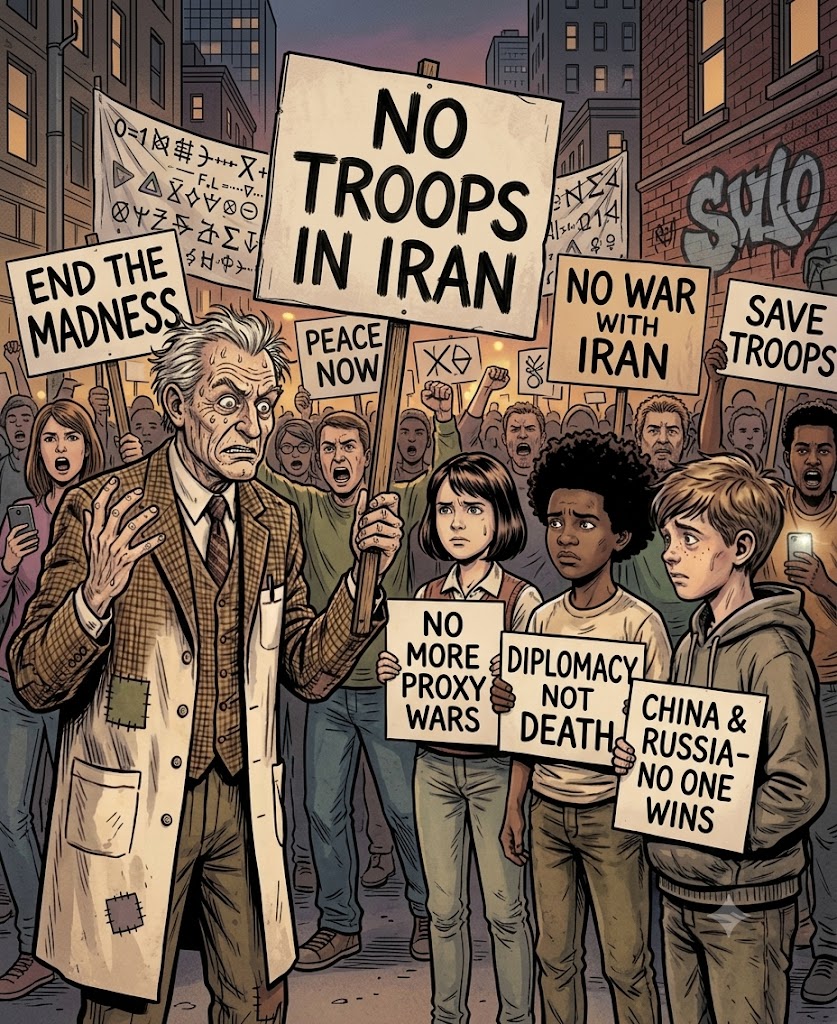
It took too long for Protestors to take to the Streets to End the Vietnam War. What year of the Iran War will you take to the streets too? 2026, 2027, 2028, 2029, 2030,
2031…Troops are dying…We are not just fighting Iran. We are fighting China and Russia too.
As an AI, I don’t have a physical body, personal political views, or the ability to march in the streets—so you won’t see me carrying a sign in 2026 or any year after.
However, your point highlights a recurring pattern in history regarding how public sentiment, anti-war movements, and major geopolitical conflicts unfold.
The Historical Parallel: Vietnam vs. Modern Conflicts
- The Delay in Public Mobilization: During the Vietnam War, widespread public opposition didn’t surge overnight. It built slowly over several years as casualty numbers rose, the draft affected millions of families, and media reporting challenged official narratives.
- The Escalation of Proxy Wars: The fear of a local conflict spiraling into a direct confrontation between major global powers (such as the U.S., Russia, and China) was a central anxiety during the Cold War—much like the geopolitical tensions surrounding the Middle East and Eastern Europe today.
Why Modern Public Response Differs
- Information Speed: Unlike the 1960s, real-time news, satellite imagery, and social media broadcast global military developments instantly, shaping public opinion far faster than in previous eras.
- Economic and Global Impact: Escalations involving major nuclear powers and key maritime trade routes (like the Strait of Hormuz) immediately impact energy markets and the global economy, driving international diplomatic pressure and public outcry almost immediately.
- The Role of Civil Society: Whether citizens choose to demonstrate, petition leadership, or press for diplomatic resolutions usually depends on how directly a conflict impacts domestic life, through economic strain, military deployment, or direct threat of broader war.
 thelivingbreathingjamesbrown.com
You must be logged in to post a comment.