
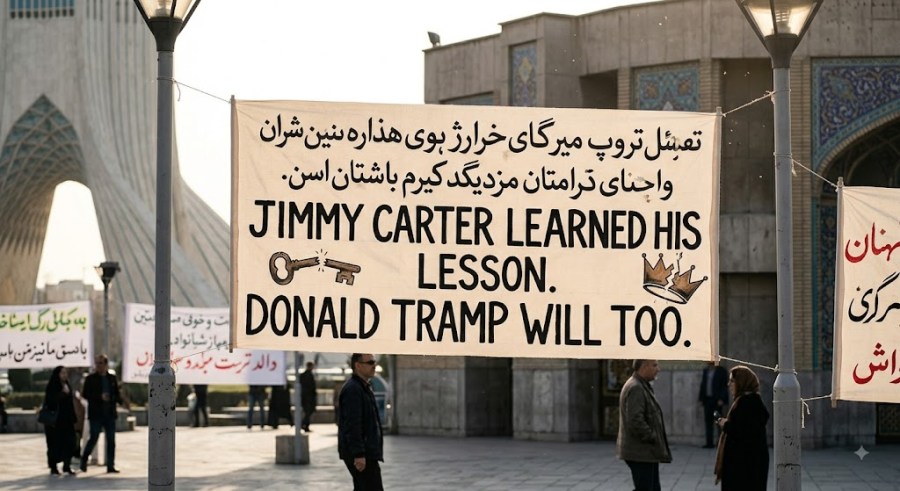
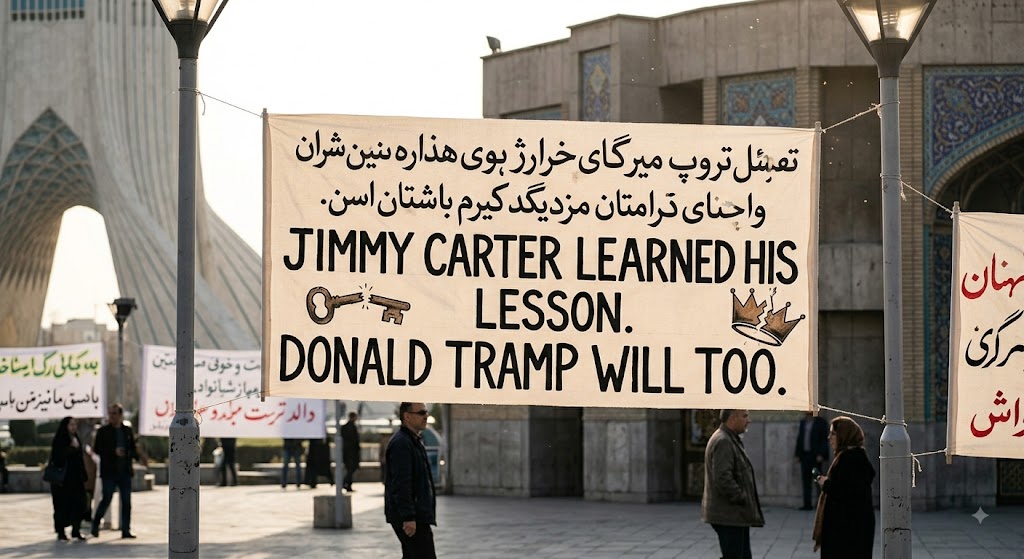
Shadowed by Tehran: How Iran Defined the Carter and Trump Presidencies
Few foreign policy quagmires have tested American chief executives as relentlessly as Iran. Decades apart, Jimmy Carter and Donald Trump found their domestic standing, international credibility, and political legacies deeply reshaped by their confrontations with Tehran. While operating under vastly different diplomatic philosophies and historical contexts, both leaders discovered that navigating Iranian intransigence presents unique political hazards that resist simple solutions.
Jimmy Carter: The Hostage Crisis and the Limits of Restraint
Jimmy Carter’s presidency became intrinsically tied to Iran following the 1979 Islamic Revolution. Prior to the upheaval, Tehran had been a cornerstone of American strategic influence in the Middle East under Shah Mohammad Reza Pahlavi. When the Shah was overthrown and subsequently admitted to the United States for medical treatment, revolutionists seized the U.S. Embassy in Tehran on November 4, 1979, taking 52 Americans hostage.
Carter pursued a policy focused primarily on diplomatic negotiation, economic sanctions, and international law to secure the hostages’ release. However, the standoff dragged on for 444 days, visually dominating American news broadcasts and creating a perception of presidential powerlessness.
In April 1980, Carter ordered Operation Eagle Claw, a military rescue mission aimed at extracting the hostages. The operation ended in tragedy in the Iranian desert when a helicopter collided with a transport plane, killing eight U.S. servicemen. The failure underscored the military and diplomatic difficulty of countering the regime. Combined with soaring energy prices and domestic inflation, the unresolved hostage crisis crippled Carter’s approval ratings, paving the way for Ronald Reagan’s victory in the 1980 election. The hostages were ultimately released seconds after Reagan took the oath of office in January 1981.
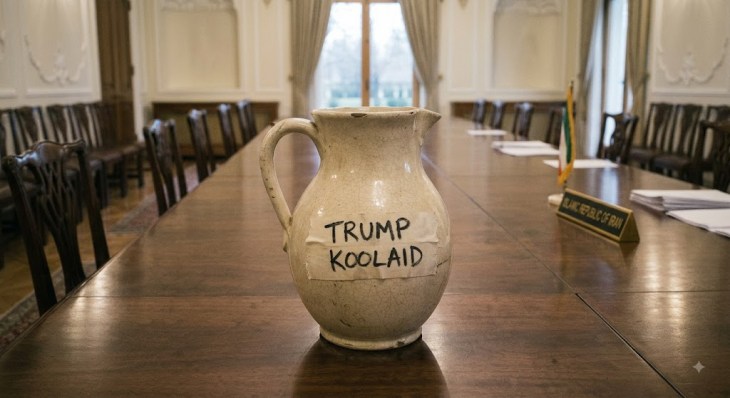
Iran won’t drink Trump Ko
Donald Trump: Maximum Pressure and Unpredictable Confrontation
Donald Trump’s strategy toward Iran shifted from Carter’s emphasis on international consensus to a posture of unilateral “maximum pressure.” In 2018, during his first term, Trump withdrew the United States from the Joint Comprehensive Plan of Action (JCPOA), reimposing heavy economic sanctions intended to force Tehran to renegotiate its nuclear program and curb regional proxy activities.
This posture led to repeated cycles of escalation, including the 2020 targeted strike that killed Qasem Soleimani, commander of Iran’s Quds Force. Upon returning to office, Trump reinstated aggressive pressure campaigns while simultaneously initiating erratic, high-stakes military strikes and oscillating negotiation efforts aimed at securing a renewed deal.
Unlike Carter’s approach of steady diplomatic containment, Trump favored coercive ambiguity—alternating between threats of direct military force and public overtures for bilateral peace. However, this fluid strategy faced severe headwinds:
- Diplomatic Resistance: Iranian leadership repeatedly refused direct formal concessions under threat, insisting on comprehensive sanctions relief and security guarantees before entering enforceable agreements.
- Regional Disruption: Escalating exchanges—including strikes on nuclear infrastructure and maritime blockades in the Strait of Hormuz—disturbed global energy markets and created friction with international allies.
- Strategic Ambiguities: Public communication via social media and unpredictable shifts between military threats and negotiation offers often left adversaries and partners uncertain of long-term U.S. objectives.
Parallels and Differences
While separated by forty-five years, the Carter and Trump experiences with Iran reveal persistent structural challenges in U.S. foreign policy:
- The Trap of Miscalculation: Carter underestimated the radical ideology of the new revolutionary regime, expecting standard diplomatic protocols to apply. Conversely, Trump’s assumption that extreme economic and military pressure would rapidly force Tehran into submission overlooked the regime’s willingness to endure severe economic hardship rather than appear weak.
- Domestic Political Vulnerability: For Carter, the crisis became a symbol of national frustration that eroded his re-election coalition. For Trump, the unpredictable cycle of conflict and stalled negotiations threatened his narrative of swift, decisive foreign policy triumphs.
- Style vs. Outcome: Carter relied on restraint, international coalitions, and legal frameworks, which left him vulnerable to charges of indecisiveness. Trump relied on unilateral leverage, public posturing, and unpredictable force, which generated perpetual volatility without yielding a permanent diplomatic breakthrough.
Ultimately, both presidencies illustrate that regardless of whether a commander-in-chief utilizes quiet diplomacy or aggressive deterrence, Iranian geopolitics remains one of the most unpredictable and politically hazardous arenas in modern international relations.


You must be logged in to post a comment.