
The Hydrocarbon Quagmire: The Folly of Venezuela’s Extra-Heavy Crude and the Mechanics of Corporate Ruin
Abstract
On paper, Venezuela holds the world’s largest proven crude oil reserves, exceeding 300 billion barrels. In practice, over 80% of these reserves are locked in the Orinoco Petroleum Belt in the form of extra-heavy crude—a bitumen-like sludge with an API gravity often below 10°. Extracting, diluting, and upgrading this material requires intense capital investment, sophisticated engineering, and political stability.
When these prerequisites collided with aggressive nationalization, mismanagement by Petróleos de Venezuela (PDVSA), and fluctuating global oil prices, the Orinoco Belt transformed into a balance-sheet graveyard. This paper examines the technical, institutional, and commercial factors that turned Venezuela’s heavy oil extraction into an economic folly, wiping out billions in international capital, bankrupting domestic suppliers, and stranding massive investments.
The Geological and Technical Bottleneck
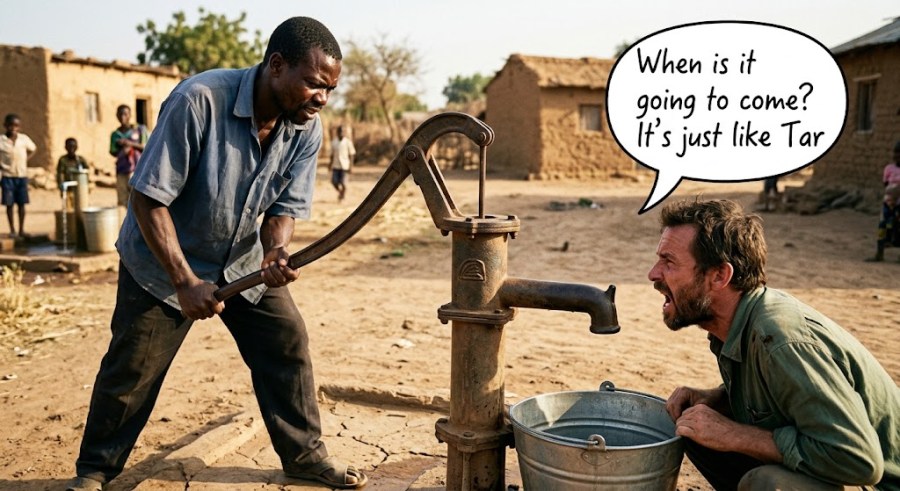
The deposits of the Orinoco Belt bear closer resemblance to asphalt or tar than conventional crude:
- Viscosity and Gravity: With API gravities ranging between 4° and 16°, the resource cannot flow through standard pipelines at ambient surface temperatures.
- Extraction Demands: Extraction requires high-cost tertiary recovery methods, primarily Cyclic Steam Stimulation (CSS) and Steam-Assisted Gravity Drainage (SAGD). Steam generation requires vast amounts of water, natural gas, and electrical power—utilities that suffer from chronic grid failures across the country.
- Dilution and Upgrading Bottlenecks: To transport extra-heavy crude, operators must blend it with lighter crudes or naphtha. Once transported, it must undergo multi-billion-dollar coking and hydrotreating processes in specialized upgraders (such as the José Industrial Complex) to convert it into a commercially viable synthetic crude.
[ Extra-Heavy Sludge (<10° API) ] │ (Steam Injection & Lift) ▼ [ Blending with Naphtha/Lighter Crude ] │ (Pipeline) ▼[ Upgrader Plants (Coking & Desulfurization) ] │ ▼ [ Marketable Synthetic Crude ]
When oil prices dropped or refining facilities broke down, the economics collapsed. The break-even price for greenfield Orinoco projects often exceeded $70–$80 per barrel, leaving operators exposed whenever commodity cycles turned downwards.
The Policy Trap: Expropriation, Forced Migrations, and Flight
During the late 1990s Apertura Petrolera (Oil Opening), international oil companies (IOCs) brought capital, technology, and proprietary upgrading expertise to the Orinoco. By the mid-2000s, state policy shifted drastically:
+------------------+-------------------------------------------------------+| Strategic Phase | Economic & Operational Impact |+------------------+-------------------------------------------------------+| 1. Apertura | IOCs invest billions in long-term upgraders and SAGD || Petrolera | infrastructure. |+------------------+-------------------------------------------------------+| 2. Forced | Government mandates 60%+ PDVSA equity stakes and || Migration | extracts higher royalties. |+------------------+-------------------------------------------------------+| 3. Expropriation | Uncooperative majors exit; billions written off; || & Disputes | ICSID arbitration initiated. |+------------------+-------------------------------------------------------+| 4. Cash Siphon | PDVSA dividends diverted to social spending rather || | than upgrader maintenance and capital reinvestment. |+------------------+-------------------------------------------------------+
When ExxonMobil and ConocoPhillips refused to cede operational control to minority stakes under PDVSA, their assets were nationalized. This triggered multi-billion-dollar international arbitration claims at the World Bank’s ICSID and left PDVSA solely responsible for operating complex upgraders it lacked the technical expertise to maintain.
Supply Chain Contagion: The Default and Bankruptcy Wave
The collapse of the heavy crude complex did not affect only multinational oil majors; it caused widespread insolvency across service providers and contractors.
1. The Service Contractor Squeeze
Oilfield service giants (including Schlumberger, Halliburton, Baker Hughes, and Weatherford) deployed drilling rigs, specialized downhole pumps, and chemical injection equipment throughout the Orinoco basin. As PDVSA’s cash flows deteriorated, the state enterprise began issuing promissory notes in lieu of payments, running up billions in arrears.
- Service companies took massive write-downs and curtailed operations.
- Mid-tier, domestic logistics, drilling, and maintenance contractors without access to global credit lines went bankrupt by the hundreds as their receivables were rendered worthless.
2. Physical Capital Cannibalization
Without working capital or imported diluents, production lines seized up. Infrastructure in the Orinoco Belt rapidly deteriorated: pumps gummed up with solidifying bitumen, upgraders suffered catastrophic industrial fires, and idle rigs were stripped for scrap metal to cover unpaid wages.
The Debt Default and Asset Dismantling
The folly culminated in a financial crisis that extended into international bond markets:
- Collateralized Debt Default: Facing severe cash shortfalls, PDVSA collateralized its crown jewel—U.S.-based refiner CITGO—to issue bonds and secure loans from foreign entities, including Rosneft.
- Sovereign Insolvency: In 2017, PDVSA and the Venezuelan government defaulted on over $60 billion in international debt, locking the country out of Western credit markets.
- Court Auctions: Creditors, arbitration award holders (such as Crystallex and ConocoPhillips), and default bondholders subsequently sought to seize Venezuelan foreign assets through the U.S. District Court in Delaware, pursuing the forced auction of CITGO’s holding company to settle claims.
The disaster of Venezuela’s extra-heavy crude proves that geology alone does not constitute wealth. When the physical difficulty of extracting low-grade “tar” meets systemic underinvestment, technical attrition, and state expropriation, the natural resource becomes an economic liability. The pursuit of the Orinoco’s bitumen consumed tens of billions in foreign and domestic capital, leaving a landscape of idle processing units, bad debt, and corporate insolvencies.


You must be logged in to post a comment.