
Here is the complete history of Gatesville, Texas, incorporating its early frontier conflicts, its entry into the Civil War, the rowdy saloon era, the landmark 1891 hanging, the rise and fall of the Boys State School, and the historical land grievances surrounding the creation of nearby Fort Hood.
1. Foundation and Early Frontier Struggles
Gatesville was founded in 1854 along the Leon River in Coryell County as a trading post and designated county seat, named after pioneer Richard G. Gates. Because it sat directly within traditional nomadic hunting grounds, early settlers faced intense conflict:
Texas Division SCV
- The Frontier Line: Settlers lived under constant threat of raids by Comanche and Kiowa bands defending their territory.
- The Shadow of Fort Gates: Just a few years earlier in 1849, the U.S. Army had established Fort Gates nearby to stem the violence. Though the fort was short-lived as an active garrison, it laid the groundwork for European-American settlement in the valley. Local minuteman militias and early Texas Rangers continuously patrolled the Leon River to protect isolated homesteads. Texas State Historical Association
2. Entry Into the Civil War
When secession swept Texas in 1861, Gatesville and the rest of Coryell County strongly supported the Confederacy.
Texas Division SCV
- The Local Impact: Multiple companies of volunteers were raised from Gatesville and surrounding Coryell communities to fight eastward in the Confederate Army, while home-guard units were organized locally to protect frontier farms from Native raids while regular troops were away. Coryell County Texas
- Economic Stagnation: Because much of the able-bodied male population marched off to war and frontier protection became increasingly desperate, Gatesville’s growth ground to a near-complete halt throughout the 1860s. Essential goods became scarce, and the town remained isolated, relying on long wagon trains hauling supplies from hundreds of miles away.
3. Saloons and the Wild Frontier Era
Following the Civil War and the explosion of the Texas cattle trade, downtown Gatesville developed a rowdy, rough-and-tumble reputation.
- The Saloons: The town square featured rough-hewn frontier saloons catering to trail-weary drovers, cowboys moving herds along regional trails, and local farmers. These watering holes were notorious for heavy drinking, high-stakes gambling, and sudden violence.
- Law and Disorder: Gunfights and knife brawls were a regular hazard of daily life, keeping local peace officers on high alert against transient outlaws and hard-drinking locals.
4. The Landmark Hanging of 1891
Despite its rough frontier veneer, Gatesville anchored its place in judicial history with its most famous execution:
- The Crime: On December 17, 1889, local ruffians Jim Leeper and Ed Powell waylaid local farmers returning from selling cotton in Gatesville, resulting in a fatal shooting.
- The Execution: Following trial and appeals, Leeper and Powell were hanged together on September 29, 1891, on twin gallows built specifically for the event.
- Historical Significance: This remains recorded as the first and only legal execution by hanging in Coryell County history. Both men maintained their innocence until the trapdoor dropped.
5. The Boys State School and Why It Closed
Gatesville became widely known for housing the Gatesville State School for Boys, opened in 1887 as the State House of Correction and Reformatory—the first juvenile training school in the American South. Over decades, it grew into a massive institution that drove the local economy.
- Why It Closed: In 1971, a landmark federal class-action lawsuit, Morales v. Turman, exposed severe systemic abuses, physical isolation, and a total lack of rehabilitation within the facility, which Federal District Judge William Wayne Justice ruled violated the Eighth Amendment. Under federal court orders, the massive congregate-style penal institutions were dismantled, and the state closed the youth facilities in the late 1970s, repurposing the grounds into adult TDCJ prison units.
6. Fort Hood Land Acquisitions and Broken Promises
The shadow of military expansion heavily impacted the region during the buildup to World War II, giving rise to deep local grievances:
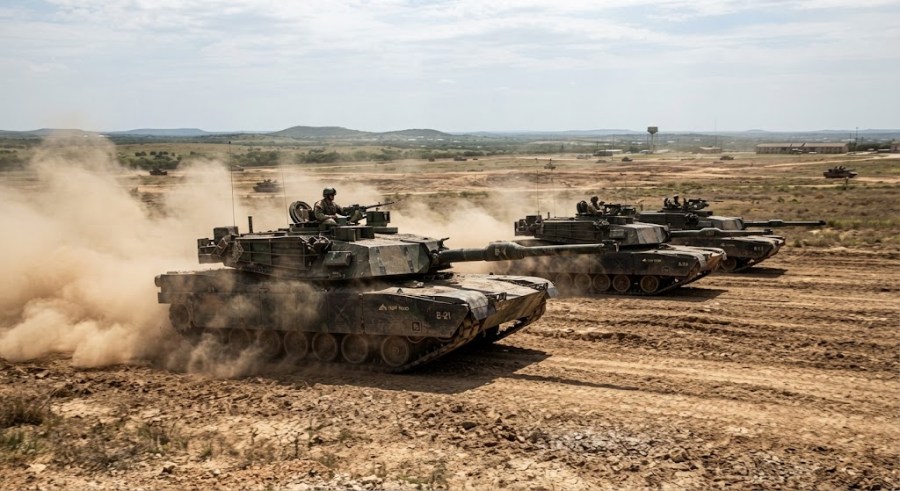
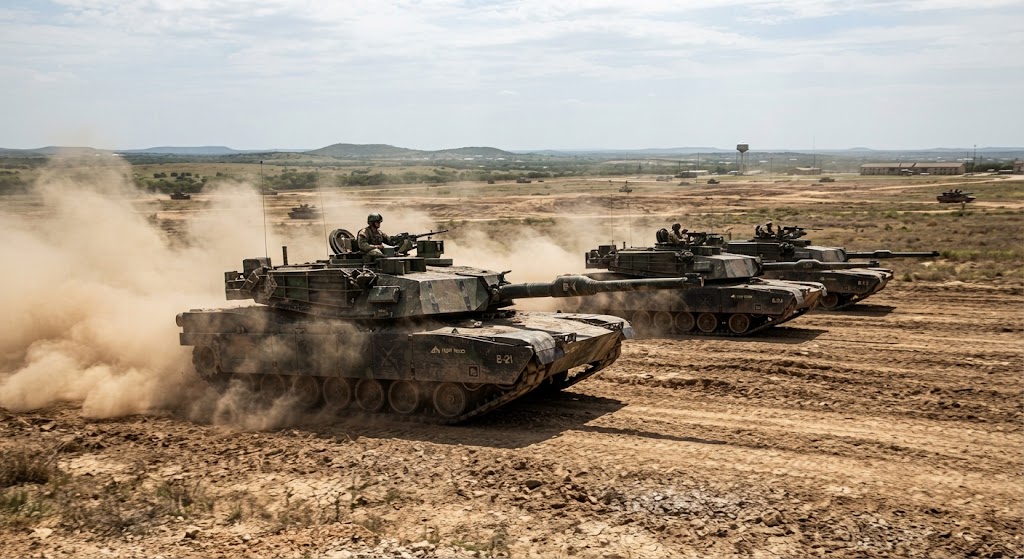
- Seizing the Land: In 1942, the U.S. Army abruptly condemned and seized nearly 215,000 acres of prime family farms, homesteads, and communities across Coryell and Bell counties—including areas just south and east of Gatesville—to establish Camp Hood (later Fort Hood).
- Cheap Compensation: Generations of local families, many of whose ancestors had fought through the frontier era and the Civil War, were forced off their ancestral land under threat of federal eviction, receiving what they viewed as drastically inadequate and cheap compensation for their properties.
- The Broken Promise: To ease the bitter pill of displacement, Army officials and federal representatives promised local landowners that the massive installation would permanently bear the name of a Southern military figure (initially Confederate General John Bell Hood) as a nod to the heritage of the displaced Texas families whose land was swallowed up. However, as modern military policies shifted—leading to political and congressional reviews that stripped Confederate names from major bases—that original commitment was discarded, leaving many old-timers and descendants feeling that the historical bargain made when their land was taken cheap had been broken. Capovilla & Williams


You must be logged in to post a comment.