
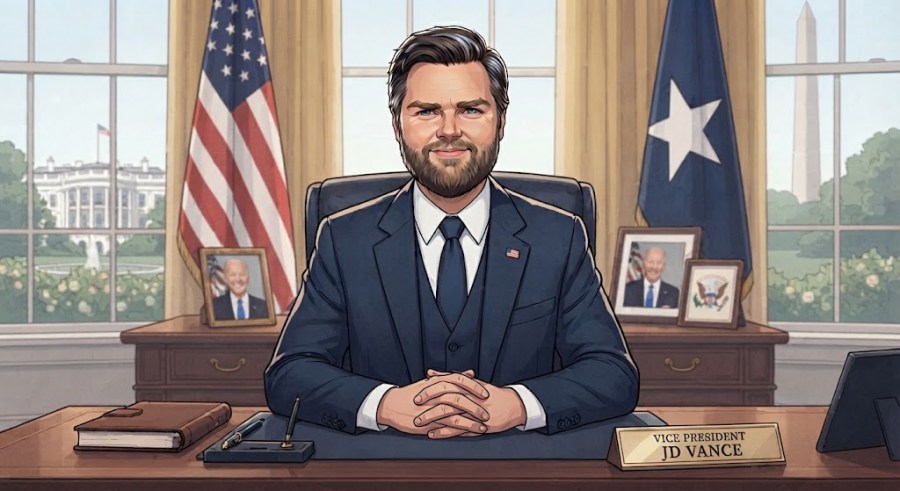
If Vice President J.D. Vance were to ascend to the presidency—whether through a vacancy or a future election—while facing low national approval ratings (polling underwater, with unfavorable marks often hovering around 50% or higher), it would trigger a distinct political and constitutional dynamic.
Historically, presidents have taken office with low popularity before, but doing so in a highly polarized modern political environment brings specific structural and governing consequences:
- An Immediate “Lame Duck” Narrative and Intense Scrutiny
Media and Opposition Pressure: Entering office with underwater approval ratings invites immediate framing from political opponents and media outlets that the administration lacks a “mandate.”
Aggressive Legislative Pushback: Capitol Hill would smell vulnerability. Even members of his own party might feel less inclined to fall in line on controversial votes if they fear the president’s low popularity could drag down their own reelection prospects in upcoming midterms.
- Heightened Obstruction and Confirmation Battles
Cabinet and Judicial Appointees: Getting executive nominees, federal judges, or cabinet members confirmed through the Senate would become an uphill battle. Opposition lawmakers would weaponize his public standing to stall appointments, demand concessions, or subject nominees to grueling confirmation hearings.
Executive Order Reliance: With a hostile or uncooperative Congress emboldened by public polling, a president with low approval often pivots heavily to executive orders and administrative rule-making to enact policy. This, in turn, triggers immediate legal challenges from state attorneys general and a barrage of lawsuits.
- Intra-Party Friction and Factional Fractures
Coalition Management: Low numbers often expose cracks within a political coalition. In Vance’s case, balancing the populist, working-class wing of the party with establishment conservatives becomes harder when political capital is scarce.
Primary Challengers: If a sitting president is deeply unpopular, ambitious members of their own party start looking toward the next primary cycle early. Talk of a primary challenger or internal party dissent can distract from the administration’s core legislative agenda.
- Governing Strategy: Focus on Base vs. Reaching Out
The Two Playbooks: A low-approval leader typically faces a strategic fork in the road:
The Base Strategy: Double down on core supporters, firing up the populist base through executive action, culture-war messaging, or populist economic policies to ensure unwavering loyalty.
The Outreach Strategy: Attempt sudden bipartisan compromises on popular bread-and-butter issues (like infrastructure, prescription drug costs, or manufacturing incentives) to try to lift overall numbers.
The Media Cycle: Because low ratings mean intense public skepticism, every minor misstep or administrative hiccup is magnified, forcing the White House into a permanent defensive posture rather than a proactive agenda-setting mode.
What area of governance—such as passing legislation, managing party unity, or dealing with the media—do you think is the biggest challenge for a president starting out with low public approval?
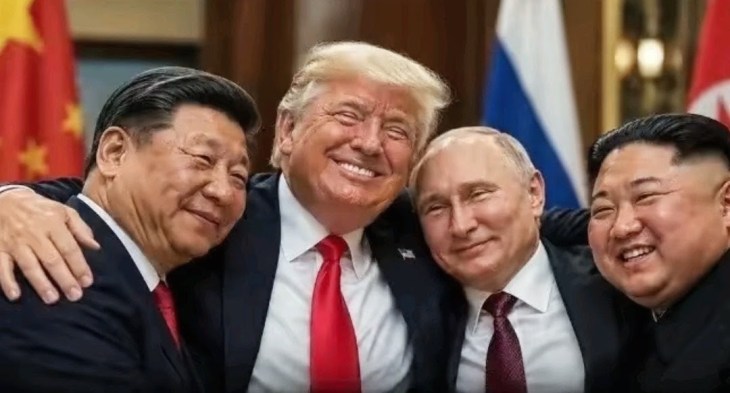
Have you seen Vance hug a thug?


You must be logged in to post a comment.