
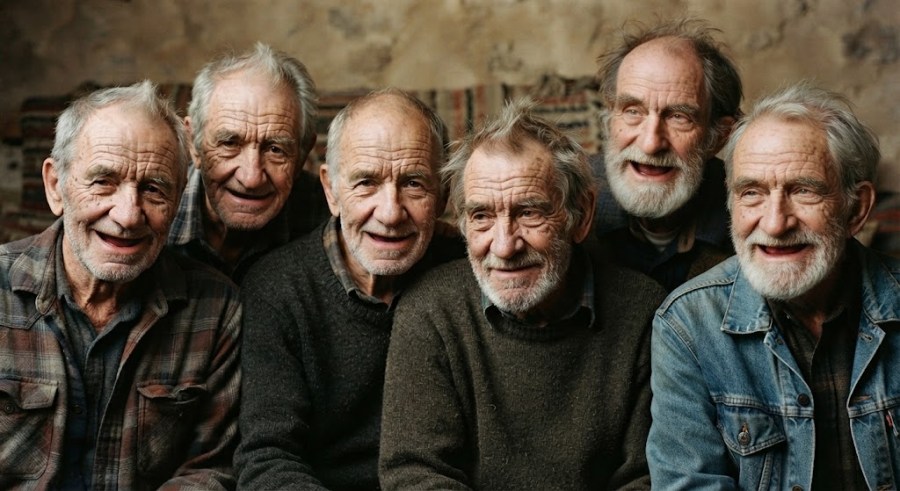
Discussing the age and cognitive fitness of political leaders is a significant part of modern democratic discourse. When considering candidates aged 78 to 88 years old for the presidency of the United States, critics, voters, and medical professionals often raise several key arguments against having an octogenarian in the nation’s highest office:
1. Cognitive and Physical Health Strains
- Age-Related Decline: Aging is naturally accompanied by changes in processing speed, memory recall, and physical stamina. While many individuals remain sharp into their 80s, the risk of cognitive impairment, neurodegenerative conditions (such as Alzheimer’s or dementia), and acute medical emergencies (like strokes or heart attacks) increases significantly with each passing decade.
- The Demands of the Job: The U.S. presidency is widely considered the most demanding job in the world, requiring erratic hours, constant travel across multiple time zones, and round-the-clock crisis management. Critics argue that the biological limits of an 80+ year-old body make it difficult to sustain such intense physical and mental vigor without severe burnout.
2. Resilience and Recovery
- Vulnerability to Illness: Older adults face longer recovery times from everyday illnesses, minor injuries (such as trips and falls, which can lead to severe complications like hip fractures), and infections.
- National Security Implications: A prolonged medical absence or incapacitation of a sitting president creates constitutional uncertainty regarding the invocation of the 25th Amendment and can project vulnerability to global adversaries during international crises.
3. Generational Disconnect
- Pacing with a Rapidly Changing World: An 80-to-88-year-old leader came of age in the mid-20th century. Critics argue that older leaders may struggle to fully grasp, prioritize, or legislate for modern, fast-moving technological and societal shifts—such as artificial intelligence, cybersecurity, cryptocurrency, modern labor economics, and climate change.
- Representation of the Electorate: A significant age gap can foster a psychological and cultural disconnect between the governing leadership and the everyday realities, financial pressures, and future concerns faced by younger generations of citizens.
4. Public Confidence and Transparency
- Skepticism and Scrutiny: Public concern over an aging leader often leads to heightened scrutiny of every public gaffe, stumble, or delayed response. This can erode public trust in the transparency of the administration if medical reports or signs of aging are perceived as being minimized or hidden by staff.
- The “Lame Duck” and Succession Dilemma: Voters often express discomfort knowing that an octogenarian president’s term could end abruptly, thrusting a vice president into power whom voters may not have originally evaluated as a presidential successor.
Men with No Teeth!


You must be logged in to post a comment.