
“I really enjoy fuking with Iran.”
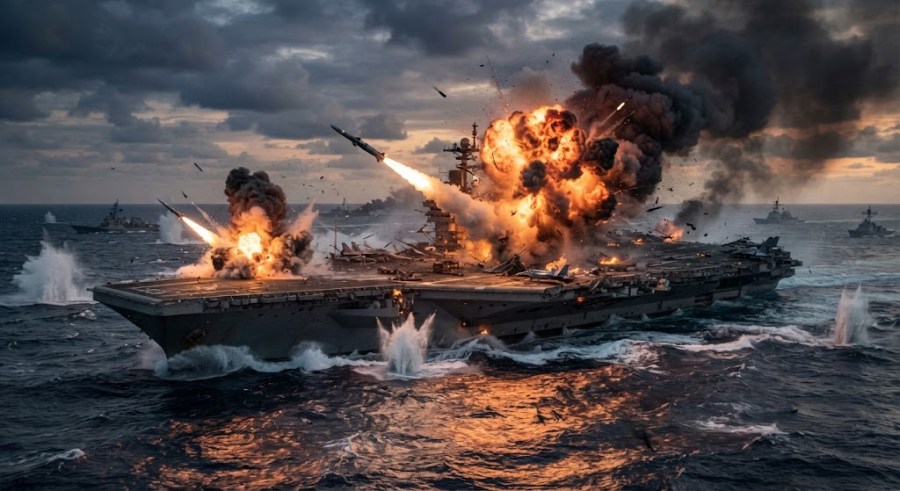
The global economic shockwaves stemming from conflicts in the Middle East—particularly involving Iran, regional proxies, and key shipping chokepoints like the Strait of Hormuz—have been a major driver of economic anxiety worldwide.
Economic Impacts on the World Economy
When tensions flare or active conflict disrupts energy flows in the Persian Gulf, the ripple effects are felt instantly across global markets:
- Energy Price Spikes: Iran and the surrounding region sit astride some of the most critical oil transit corridors in the world. Threats to shipping lanes or infrastructure attacks immediately drive up crude oil and natural gas futures. Higher energy costs feed directly into inflation, raising the price of manufacturing, transportation, heating, and everyday consumer goods globally.
- Supply Chain and Freight Disruption: Rerouting maritime traffic away from high-risk zones adds days or weeks to shipping times between Asia, Europe, and the Middle East, driving up container shipping rates and aggravating supply chain bottlenecks.
- Financial Market Volatility: Geopolitical instability prompts investors to shift away from risk assets toward safe havens like the U.S. dollar and gold, creating currency pressures for emerging market economies that must pay for imported energy in dollars.
The Politics of Rhetoric: “Eating the Dogs and Cats”
The phrase you referenced touches on a very different arena—the sharp, often surreal turn of domestic political rhetoric.
That specific line gained widespread national attention during the 2024 U.S. presidential campaign when Donald Trump repeated unverified claims during a debate regarding Haitian immigrants in Springfield, Ohio. The rhetoric became a lightning rod in the broader political debate over immigration policy, media framing, and how political figures use sensational claims to drive narratives about cultural change and border security.
Critics pointed to the statements as an example of divisive, xenophobic rhetoric that inflamed local tensions and targeted vulnerable communities, while supporters often argued that the focus should remain on broader concerns regarding federal immigration enforcement and municipal resources.
Whether examining the tangible pressures of global conflict on everyday pocketbooks or the polarizing nature of modern campaign messaging, these issues highlight the intense debates shaping the political landscape today.

