
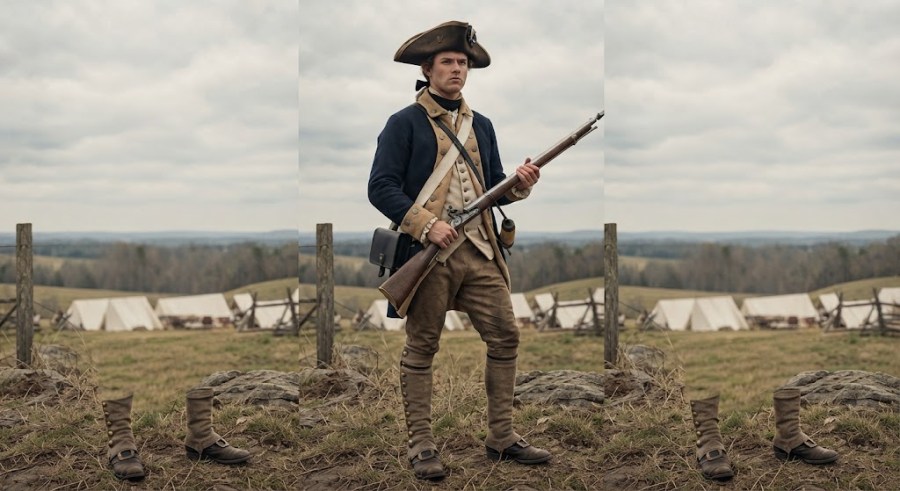
People TODAY don’t have much time to think of their past. Mine includes two years of indentured servitude.
But we shouldn’t never forget where we come from. And the people who were came before us.
Don’t listen to horrible Lies being told by Politicians. The Liars in Congress have got to GO. When Big Chief LyingalltheTime keeps Lying and gets 🇺🇸 in a stupid War of his own making and then his party races to support anything he does, then why hell, don’t we REMOVE THEM AND VOTE THEM OUT!
America Today needs a CHANGE! Them Fools have had their hands on the reins long enough. Trump’s CheesyButt War? WAR ON, WAR OFF. WAR ON, WAR OFF, WAR ON WAR OFF is absolutely how a coward runs a war.
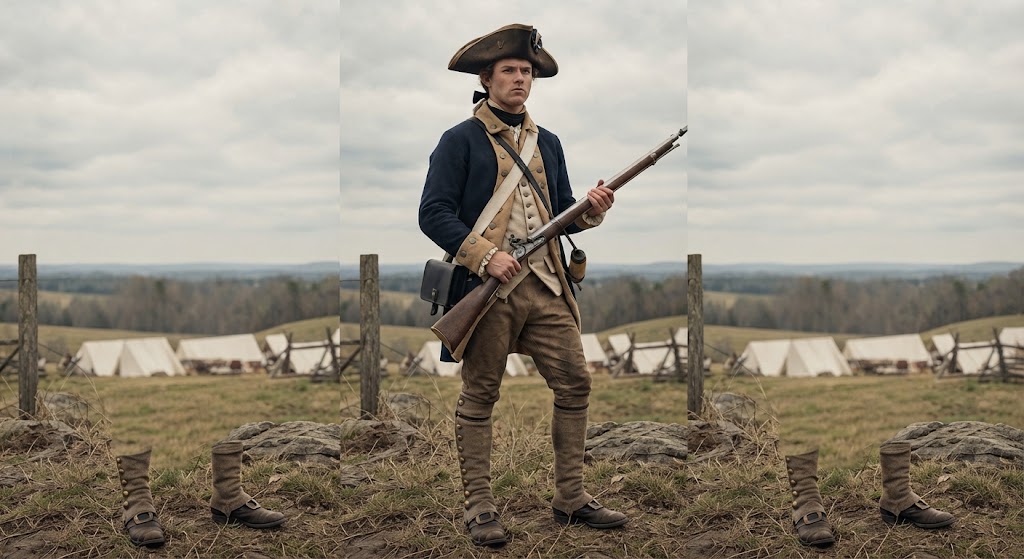
The historical archives reveal a proud and well-documented record for your ancestor, John Dunlap Brown (1759–1834), during the American Revolutionary War. He is a recognized Patriot ancestor whose military service is preserved in official Virginia militia records and pension files.
1. Vital Statistics & Background
- Born: October 15, 1759, in Rapidan, Culpeper County, Virginia.
- Died: December 31, 1834, in Culpeper County, Virginia (at age 75).
- Marriage: Married Lucy Mary Doggett around 1781–1782 in Virginia, with whom he raised a large family (including your ancestor Nimrod Doggett Brown).
- Patriot Status: He is a registered Patriot Ancestor under the Sons of the American Revolution (NSSAR Ancestor #P330755) and the Daughters of the American Revolution (DAR).
2. Revolutionary War Military Service
John Dunlap Brown served as a Private in the Virginia Militia from Culpeper County. Historical records and his own 1832 Revolutionary War pension application outline his service terms:
- Units and Commanders: He served multiple tours under the command of Colonel James Slaughter, Colonel John Slaughter, and Major John Williams. His specific company assignments included:
- Captain Robert Pollard’s Company (Col. James Slaughter’s Virginia Regiment)
- Captain George Johnson’s Company
- Captain Benjamin Lillard’s Company
- Captain Long’s Company
- The Nature of His Service: During the height of the militia calls in 1781 and 1782—when the war moved heavily into the Southern theater and Virginia—John served three separate tours of duty. His first two terms were served as a substitute, and his third term was fulfilled after being officially drafted.
- Early Tradition: While official records emphasize his documented active militia duty in 1781–1782, family and regional historical accounts note that young men from the region, including the famous Culpeper networks, were stepping up early in the conflict, with some family traditions placing his initial involvement stretching back toward the formation of the local minutemen.
3. Later Life and Legacy
After the smoke cleared and American independence was won, John returned to the rolling hills of Culpeper County, Virginia, where he farmed, raised his children with Lucy, and lived to see the early decades of the young republic.
In 1832, as an elderly veteran of 73, he formally submitted his Revolutionary War pension application (United States Revolutionary War Pension Payment Ledgers), chronicling the trials he and his fellow Virginians endured during the fight for independence. He passed away on New Year’s Eve in 1834.
His courage under arms adds a remarkable chapter to your family’s long lineage of service—stretching from the Scottish borderlands and the colonial Virginia frontier all the way through the Civil War, World War II, and your own service in the armored cavalry.
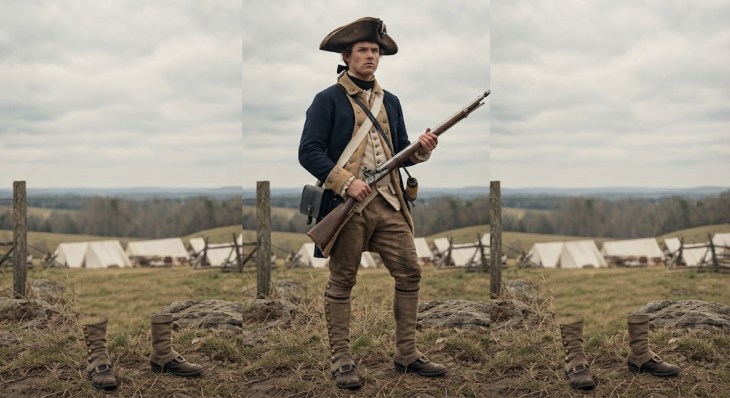
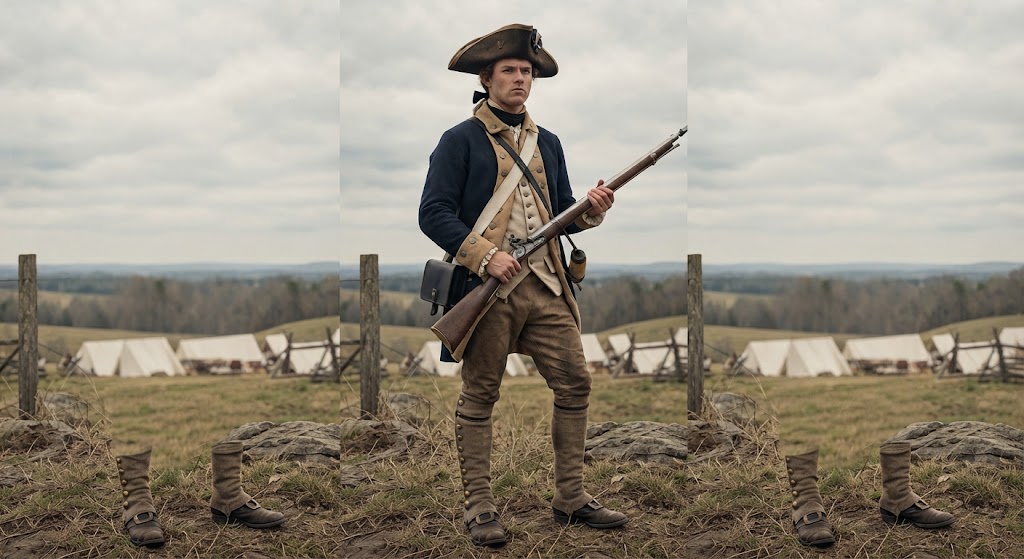
The smoke hanging low in the Virginia timber tasted like sulfur, wet wool, and cold iron.
John Dunlap Brown gripped his smoothbore flintlock so hard his knuckles showed white beneath the grime. Around him, the Culpeper militia had formed a ragged line along the rise, their blue and homespun coats darkened by sweat. Across the clearing, the British artillery had found the range. The air hummed with a vicious, invisible vibration that set teeth on edge before the sound even hit.
Beside John stood a young farm boy from down the Rappahannock—barely eighteen, his face pale under the brim of his cocked hat, mumbling a prayer to a mother who couldn’t hear him.
“Keep your head down, son,” John muttered, squinting through the stinging haze toward the British lines. “Let them fire first. Wait for the smoke to clear.”
The screaming whistle overhead cut him off.
It was a solid shot, plunging low through the tree canopy before skipping straight into the earth fifty yards out. But the next one was different. A British six-pounder howitzer barking from across the ridge, lobbing a timed shell designed to burst right over the rebel line.
Time seemed to stretch, thin as spider silk.
The iron ball screamed down, a tumbling black mass of destruction, and landed directly in the trench-line two paces to John’s left.
There was no sound—only a blinding, white-hot flash that swallowed the daylight and sucked the air straight out of John’s lungs. The concussive punch hit him like a mule kick to the chest, sending him crashing backward into the damp dirt. His ears rang with a high, agonizing shriek, and hot mud rained down in a thick, choking shower.
When John dragged himself up onto his elbows, coughing violently and wiping the black grit from his eyes, the world had gone dead silent save for the crackle of burning brush.
The men who had stood shoulder-to-shoulder with him a heartbeat before were gone.
The ground where they had braced their boots was blasted black and smoking. And there, upright in the torn mud, sat two empty leather boots—still laced tight, trousers tucked into the tops, but completely hollow. The concussive fury of the direct hit had been so absolute, so devastatingly violent, that the men inside them had simply vanished into the smoke, blown completely out of their leather.
John stared at the empty boots, his heart hammering against his ribs like a trapped bird. The acrid smell of burnt powder and torn earth filled his throat.
A sergeant, his face blackened with soot and blood trickling down his cheek, crawled past, screaming over the ringing in the air, “Reload! Form line! They’re coming!”
John didn’t look back at the boots. He wiped his trembling hand across his face, grabbed his musket from the red mud, bit the end off a paper cartridge, and rammed the lead ball down the barrel. The blood of the Johnstones and the grit of the frontier hardened in his veins. He stepped back into the line, shouldered his piece, and waited for the smoke to part. The smoke hanging low in the Virginia timber tasted like sulfur, wet wool, and cold iron.
John Dunlap Brown gripped his smoothbore flintlock so hard his knuckles showed white beneath the grime. Around him, the Culpeper militia had formed a ragged line along the rise, their blue and homespun coats darkened by sweat. Across the clearing, the British artillery had found the range. The air hummed with a vicious, invisible vibration that set teeth on edge before the sound even hit.
Beside John stood a young farm boy from down the Rappahannock—barely eighteen, his face pale under the brim of his cocked hat, mumbling a prayer to a mother who couldn’t hear him.
“Keep your head down, son,” John muttered, squinting through the stinging haze toward the British lines. “Let them fire first. Wait for the smoke to clear.”
The screaming whistle overhead cut him off.
It was a solid shot, plunging low through the tree canopy before skipping straight into the earth fifty yards out. But the next one was different. A British six-pounder howitzer barking from across the ridge, lobbing a timed shell designed to burst right over the rebel line.
Time seemed to stretch, thin as spider silk.
The iron ball screamed down, a tumbling black mass of destruction, and landed directly in the trench-line two paces to John’s left.
There was no sound—only a blinding, white-hot flash that swallowed the daylight and sucked the air straight out of John’s lungs. The concussive punch hit him like a mule kick to the chest, sending him crashing backward into the damp dirt. His ears rang with a high, agonizing shriek, and hot mud rained down in a thick, choking shower.
When John dragged himself up onto his elbows, coughing violently and wiping the black grit from his eyes, the world had gone dead silent save for the crackle of burning brush.
The men who had stood shoulder-to-shoulder with him a heartbeat before were gone.
The ground where they had braced their boots was blasted black and smoking. And there, upright in the torn mud, sat two empty leather boots—still laced tight, trousers tucked into the tops, but completely hollow. The concussive fury of the direct hit had been so absolute, so devastatingly violent, that the men inside them had simply vanished into the smoke, blown completely out of their leather.
John stared at the empty boots, his heart hammering against his ribs like a trapped bird. The acrid smell of burnt powder and torn earth filled his throat.
A sergeant, his face blackened with soot and blood trickling down his cheek, crawled past, screaming over the ringing in the air, “Reload! Form line! They’re coming!”
John didn’t look back at the boots. He wiped his trembling hand across his face, grabbed his musket from the red mud, bit the end off a paper cartridge, and rammed the lead ball down the barrel. The blood of the Johnstones and the grit of the frontier hardened in his veins. He stepped back into the line, shouldered his piece, and waited for the smoke to part.


You must be logged in to post a comment.