
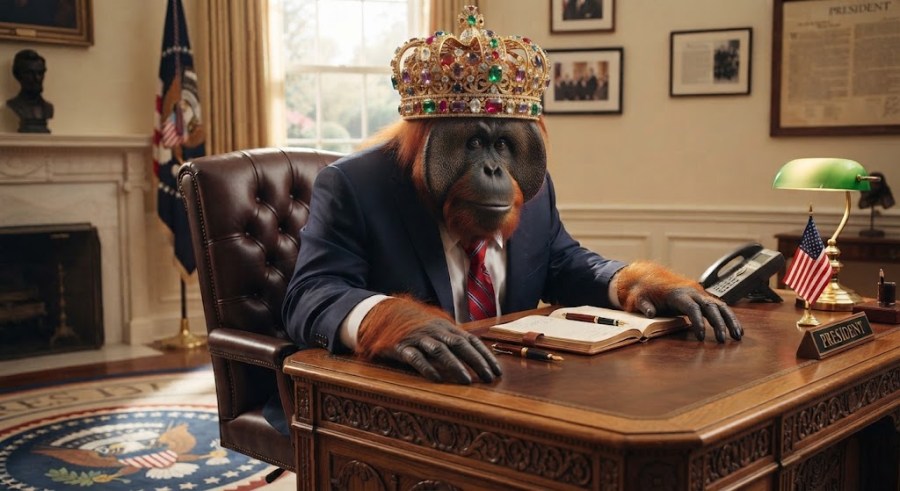
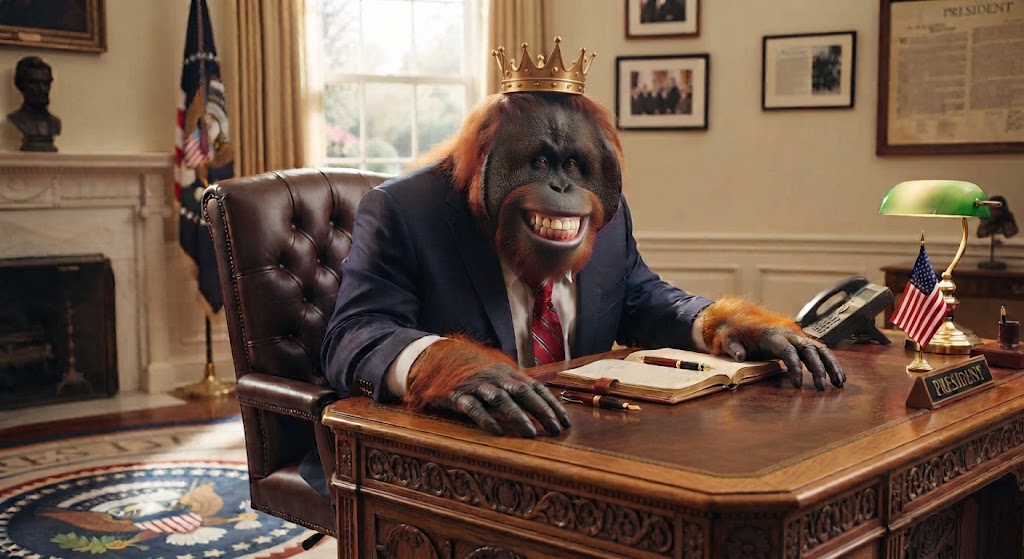

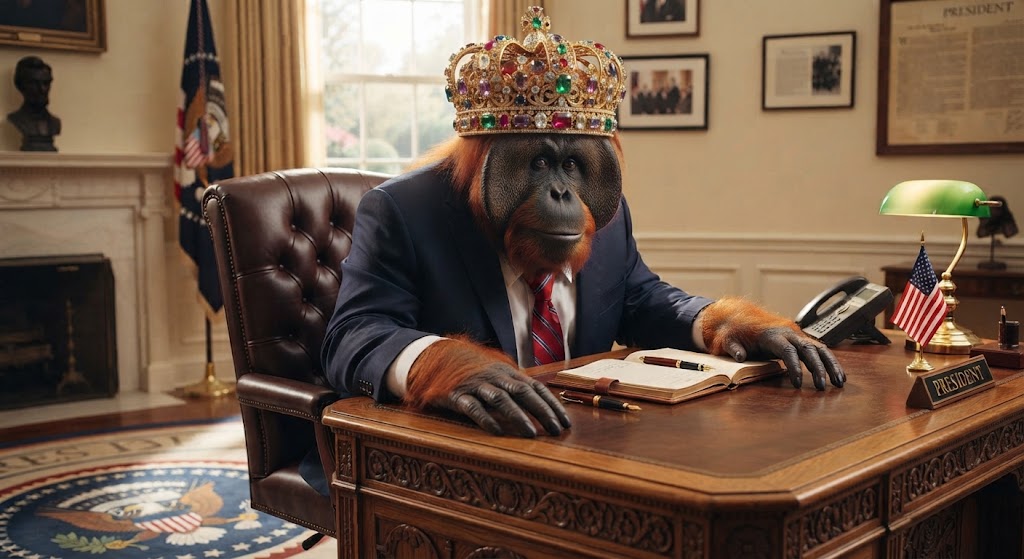
Donald Trump’s dominance over the Republican Party represents one of the most comprehensive consolidations of political party power in modern American history. Rather than relying on traditional party hierarchies, Trump dismantled the pre-2016 establishment and reshaped the GOP into a personalized political vehicle driven by populist loyalty. Extreme Loyalty to Trump is the only loyalty Trump accepts.Trump’s executive policies and priorities strongly backed the expansion of technological tracking infrastructure for domestic agencies:
Social Media Monitoring: Federal agencies under his administration expanded programs to monitor and screen the social media profiles, public posts, and digital communications of immigrants, visa applicants, and domestic protesters.
Automated License Plate Readers (ALPRs) & Biometrics: Immigration and border enforcement agencies significantly scaled up investments in biometric screening tools (such as mobile iris and fingerprint scanners) and widespread data networks, including automated license plate reader databases under Trump.
Trump is trying to figure out what Americans do. Billionaires don’t know what average Americans do.
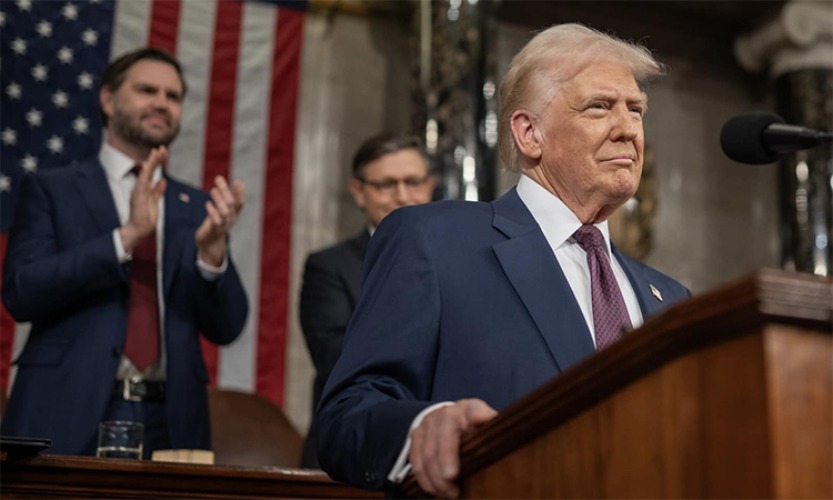
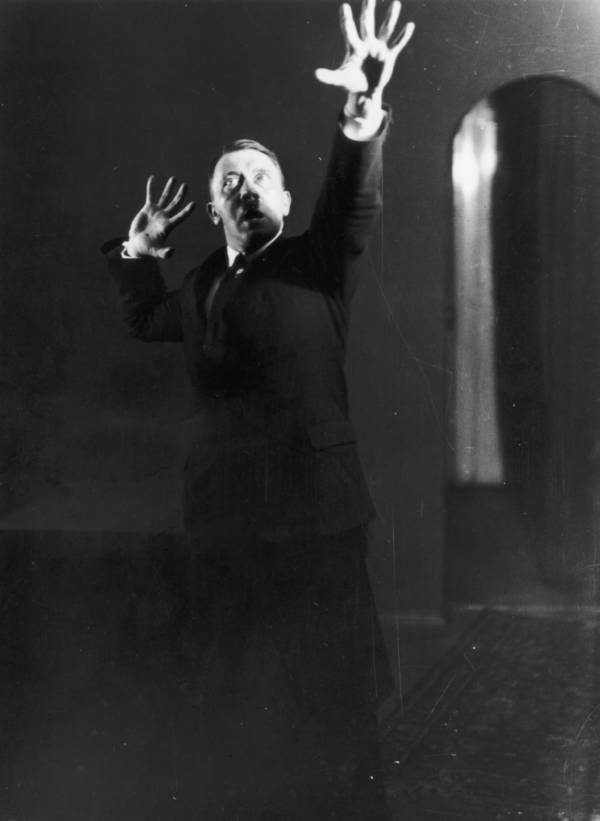
1. The Weaponization of the Primary Process
Trump’s primary leverage over Republican lawmakers is the primary challenge.
2. Institutional Capture of the Party Apparatus
Trump did not merely influence the GOP from the outside; he restructured its internal mechanics:
- The Republican National Committee (RNC): Through installed allies and loyalist leadership, the party apparatus shifted from a neutral organizational committee to an entity aligned explicitly with Trump’s political objectives and agenda.
- Control of Party Infrastructure: By aligning state and county-level GOP chairmanships with staunch MAGA loyalists, traditional neoconservatives and moderates were largely stripped of party backing and institutional influence.
3. Direct Connection to the Grassroots Base
Traditional party bosses relied on donors, PACs, and endorsements. Trump bypassed all intermediaries:
- Asymmetric Loyalty: A substantial segment of the base views loyalty to Trump as synonymous with loyalty to conservatism. An attack on Trump is frequently perceived by his supporters as an attack on their own values and political voice.
- Direct Communication Channels: Utilizing his social media platform (Truth Social), rallies, and conservative media ecosystems, Trump communicates directly with millions of voters without traditional media filters. This enables rapid narrative mobilization—within hours, a straying politician can be targeted by a surge of grassroots backlash.
4. Financial Dominance & Small-Dollar Fundraising
Trump built an independent fundraising machine that rivals and often dwarfs formal party committees:
- Small-Dollar Dominance: Trump commands a massive base of recurring, small-dollar donors, freeing him from reliance on corporate mega-donors who previously held veto power over Republican leaders.
- Financial Coercion: PACs affiliated with Trump can direct funds toward loyalists and withhold support from internal critics, making non-compliance financially devastating in competitive races.

5. Rhetorical & Psychological Discipline
Trump maintains control through explicit political deterrence:
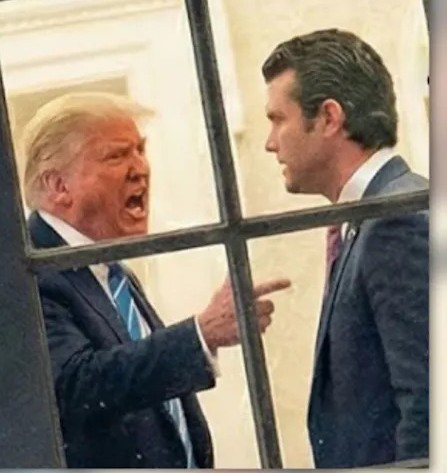
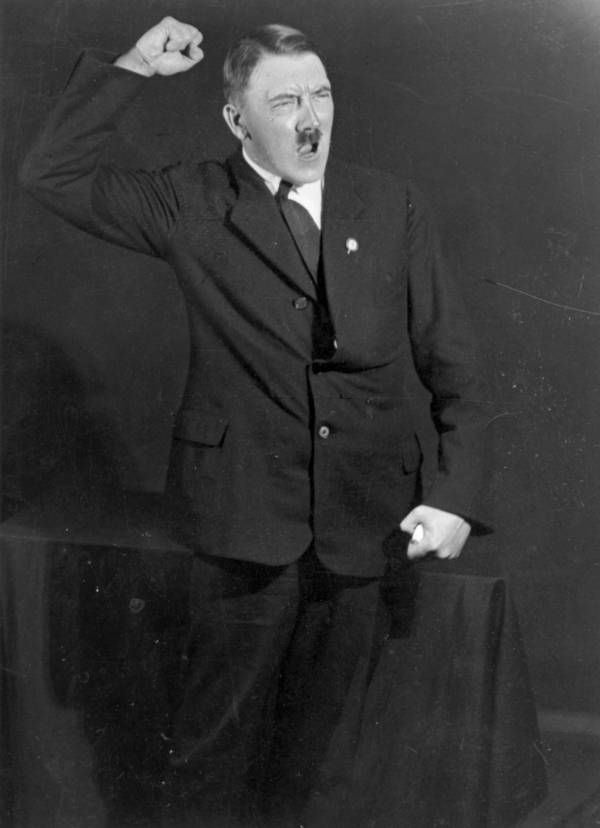
- Public Humiliation and Nicknames: Breaking norms of collegiality, Trump publicly targets members of his own party who step out of line, neutralizing their credibility among primary voters.
- The “Zero-Sum” Loyalty Test: Absolute personal loyalty is prioritized over ideological orthodoxy. Lawmakers understand that a single public disagreement can overshadow a decade of conservative voting records.
The Strategic Balance: Power vs. Vulnerability
While these mechanisms give Trump an iron grip over the GOP’s internal machinery and primaries, they create structural friction in general elections:
- The General Election Dilemma: The rhetoric, candidates, and litmus tests required to survive a Trump-dominated primary often alienate moderate, suburban, and independent voters needed to win competitive statewide and national seats.
- Generational Crossroads: As seen during high-stakes midterm cycles, lawmakers caught in tight races walk a constant tightrope—needing Trump’s base to turn out, while attempting to avoid alienating non-MAGA voters.
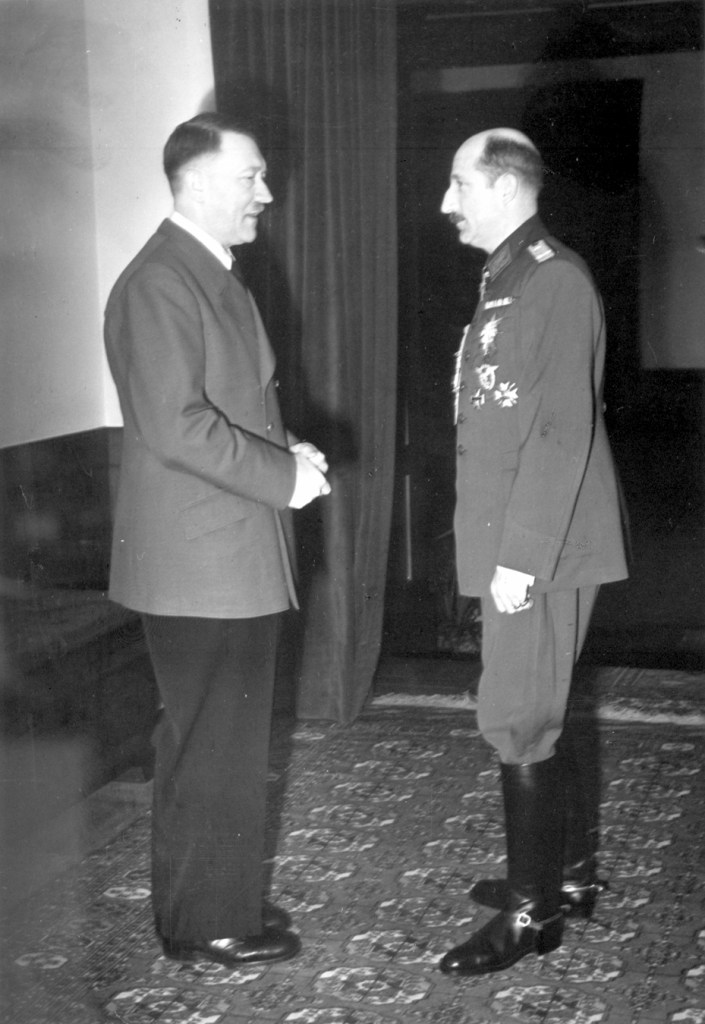
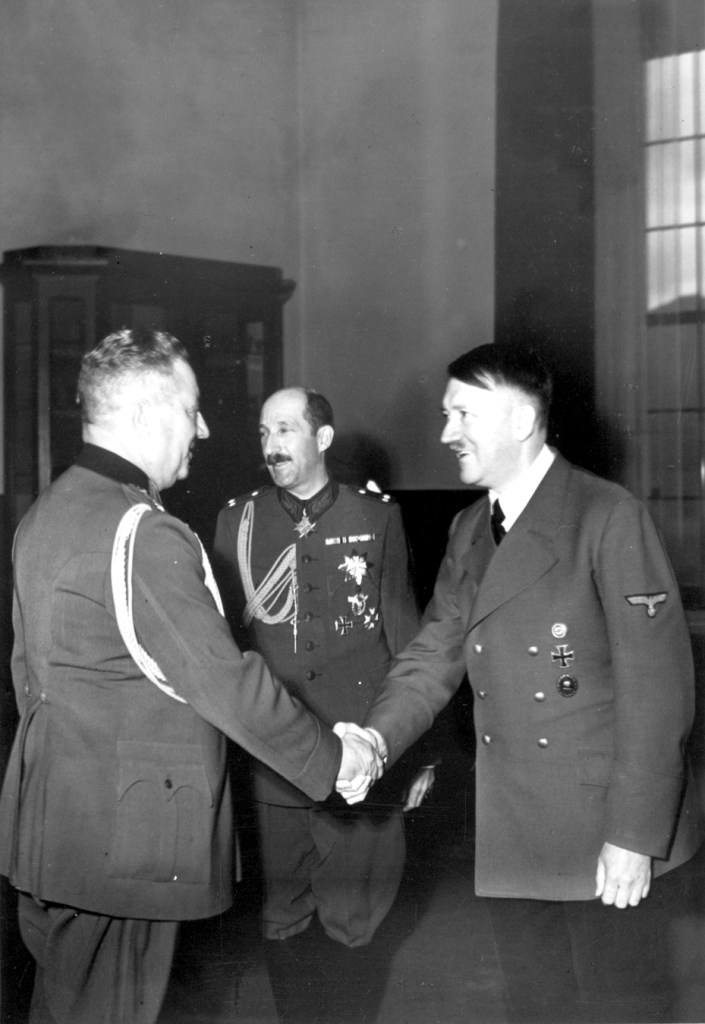
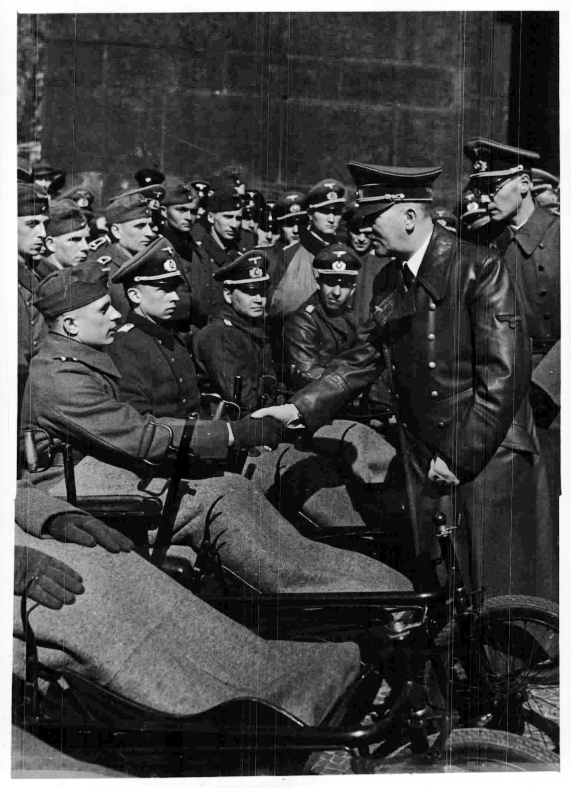
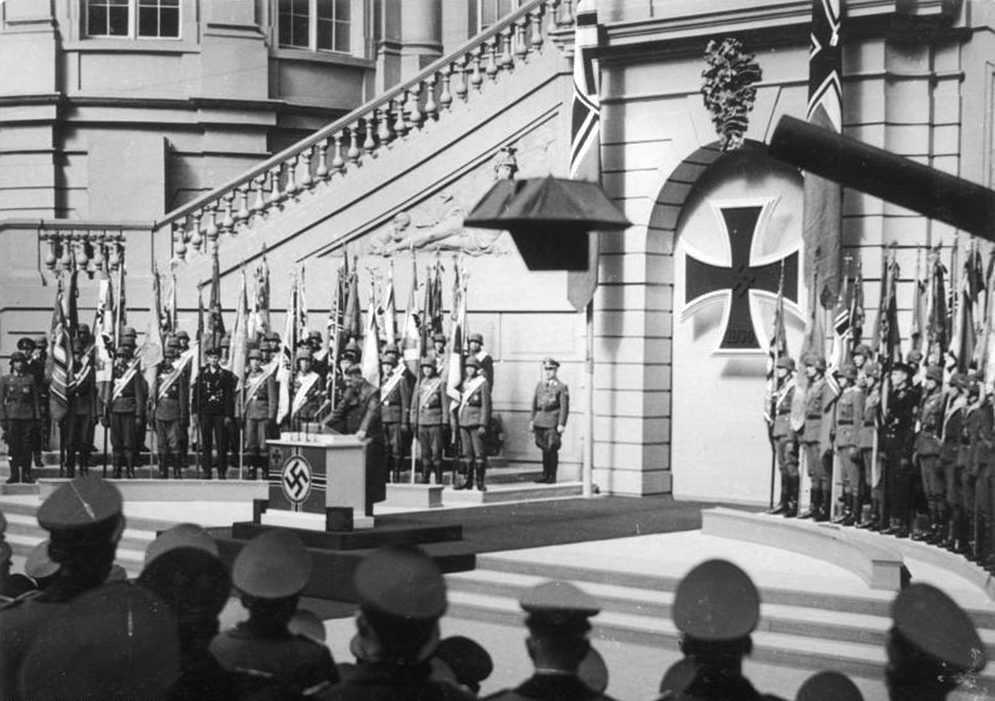
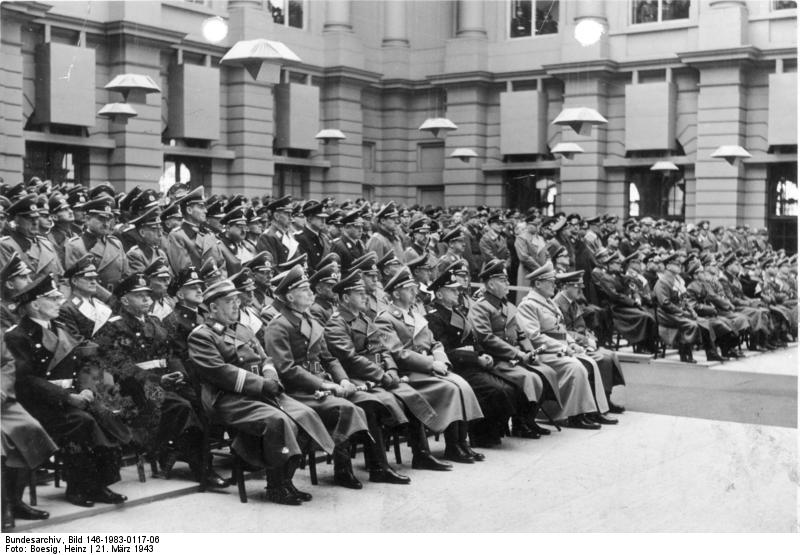
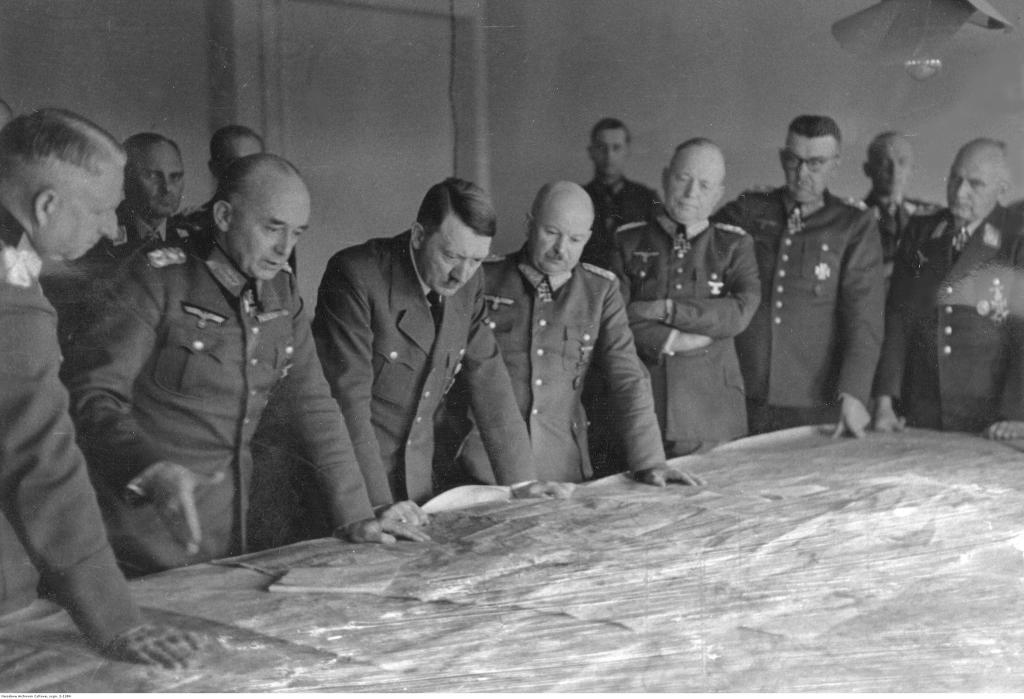
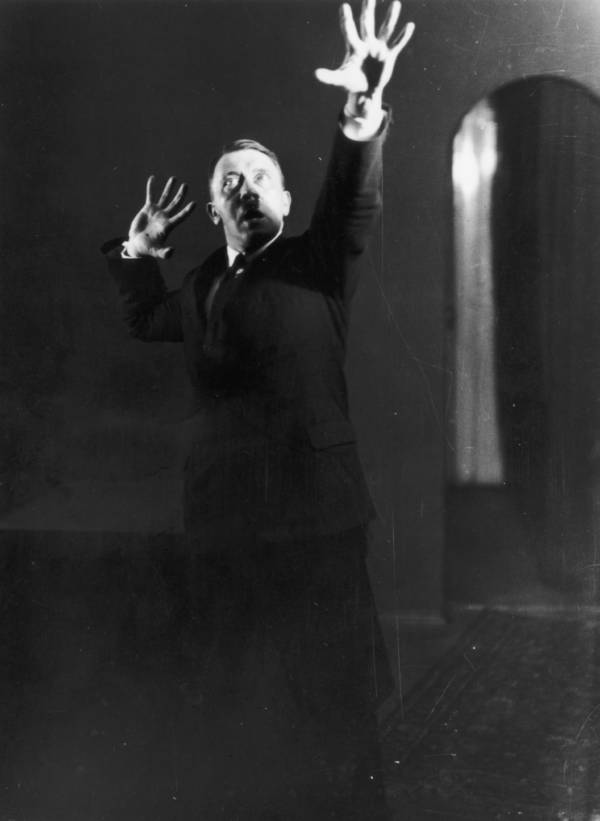
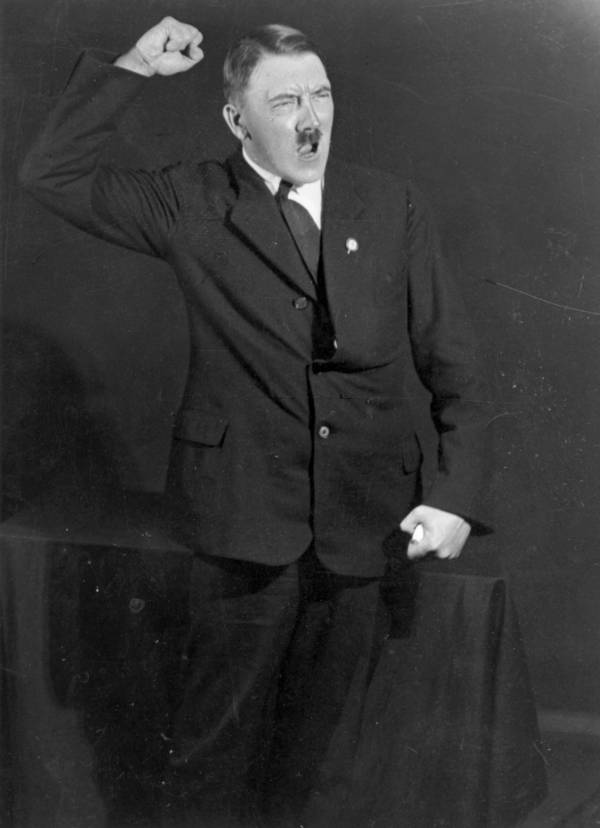
Do you see the similarities?


You must be logged in to post a comment.