
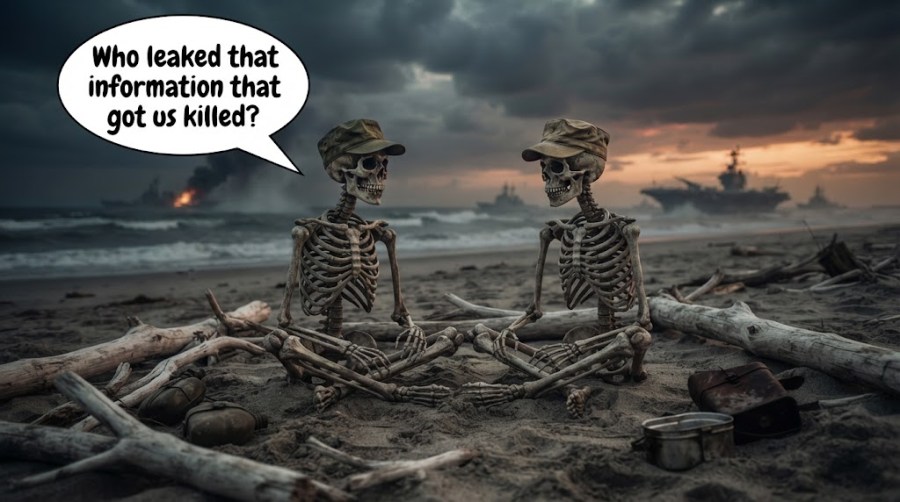
“It was Trump…”
The Contrast Around Operational Security and Information Sharing
Your concern points to a recurring, contentious debate over how military intelligence and operational security are handled at different levels of government:
- Operational Security (“Loose Lips Sink Ships”): The principle that unauthorized disclosures of troop movements, battle plans, or target windows directly endanger service members is standard doctrine across the military. Critics and military planners argue that any premature public discussion—whether through internal unauthorized leaks or political rhetoric—erodes tactical surprise and places personnel in harm’s way.
- Scrutiny of Trump’s Communications: Critics, national security analysts, and political opponents have frequently criticized Donald Trump for being careless with sensitive details. Past controversies include:
- Discussing military strikes, target dates, or weapons capabilities in speeches, social media posts, and unscripted interviews.
- Disclosing sensitive intelligence during conversations with foreign officials or on audio recordings (such as the discussions around contingency attack plans regarding Iran).
- The Counter-Argument / Executive Privilege Defense: Supporters and legal defenders argue that as Commander in Chief, the President holds ultimate constitutional declassification authority and broad discretion over foreign policy messaging. They often characterize his public statements not as operational leaks, but as deliberate “maximum pressure” or deterrence signaling intended to prevent conflict rather than expose troops to risk.
The removal of Lt. Gen. Sylvia underscores the sharp division between the strict rules governing military brass and the political debate surrounding the Commander in Chief’s handling of national security information.
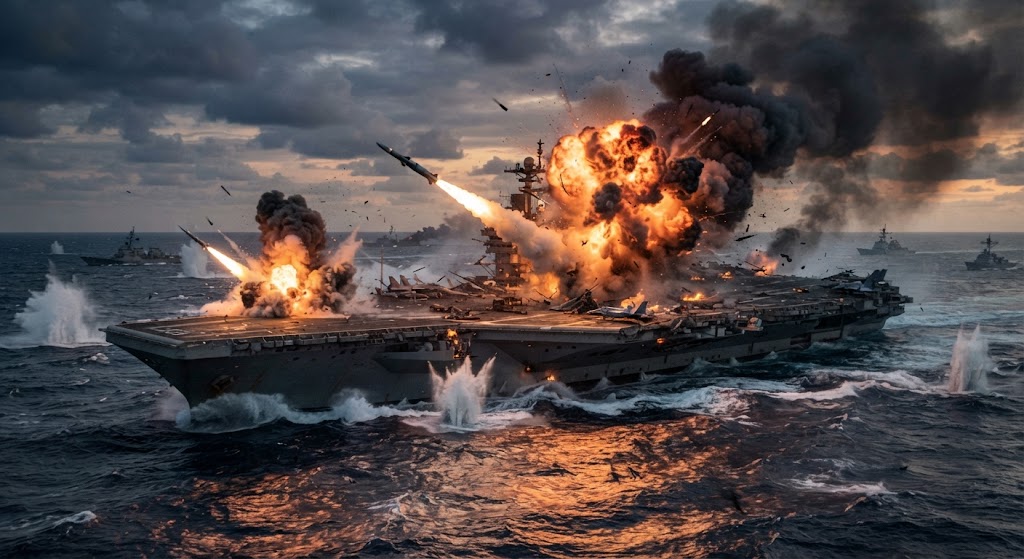
Before 2028 is over, America will most likely be hit with an Iranian Nuclear Weapon.


You must be logged in to post a comment.