


The wave of voter discontent that reshaped the political landscape in the 2026 midterms—where Democrats swept back into control of both the House of Representatives and the U.S. Senate—reflected a convergence of foreign policy crises, domestic economic strain, and constitutional pushback. Midterm elections historically punish the party occupying the White House, serving as a referendum on the sitting president; when public perception turns against executive performance, the reaction at the ballot box is often sweeping.
The eleven grievances highlight the major friction points that drove voters to the polls:
1. Foreign Policy & the Conflict with Iran (Points 3, 4, 5, 6, & 11)

Foreign policy rarely dominates midterms to the degree seen in 2026, but several acute developments brought international affairs directly to the forefront:
- The Escalation and Communication Gap: When Iranian missile and drone strikes caused significant structural damage to key regional installations—such as Naval Support Activity Bahrain—the initial official statements suggesting that minimal harm occurred quickly clashed with on-the-ground damage assessments and admissions from service officials. This disconnect fostered widespread skepticism about military transparency.
- Shifting Strategic Postures: Critics attacked the administration’s handling of the Iran confrontation as volatile and inconsistent, pointing to abrupt switches between aggressive military posturing and sudden declarations of victory or de-escalation.
- Allied Friction and Ukraine: Decisions surrounding strategic infrastructure—such as recurring disputes and limitations on communications networks like Starlink in Ukraine—alienated traditional national security voters and defense-oriented moderates who favored consistent support for European allies.
- The “Board of Peace”: The establishment of unconventional diplomatic bodies, such as the Board of Peace—chartered with sweeping mandates and unique personal governance provisions outside traditional multilateral structures like the United Nations—raised concerns among foreign policy analysts and voters weary of personalized diplomacy over institutional statecraft.
2. Kitchen-Table Economics: Fuel and Food (Points 7 & 8)
Regardless of foreign crises, elections are fundamentally decided at the grocery store and the gas pump:
- Energy Volatility: Instability in the Persian Gulf and threats to shipping corridors inevitably put upward pressure on global oil benchmarks. When gas prices climb, the incumbent administration inevitably absorbs the political fallout.
- Persistent Cost-of-Living Squeeze: Despite aggregate economic indicators, everyday consumers remained exhausted by the compounding effects of food price increases. Voters frequently evaluate economic health through routine transactions, and when household budgets feel constrained, the incumbent party faces substantial voter
- backlash.
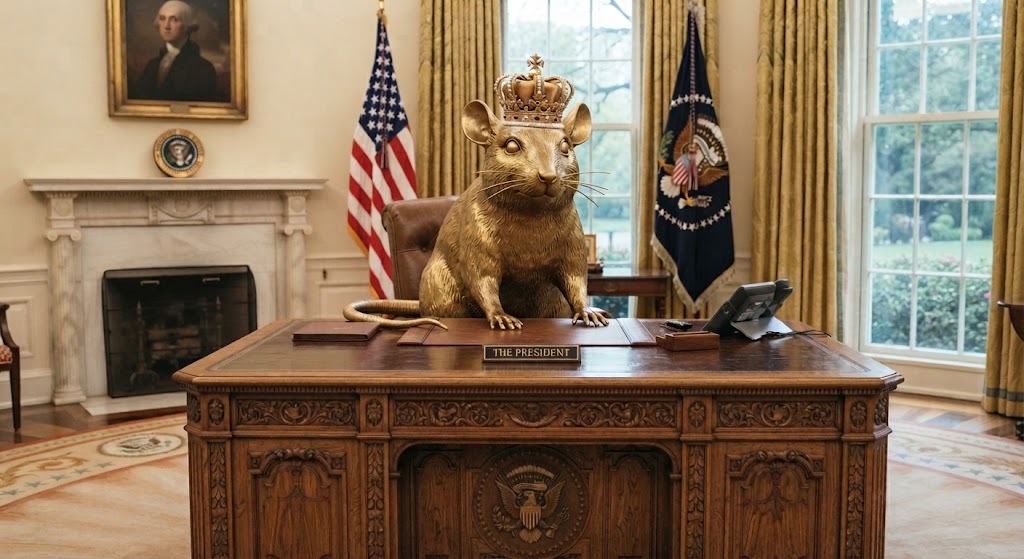
3. Checks, Balances, and the Imperial Presidency (Points 1, 2, 9, & 10)
A major motivator for voter turnout—particularly among independent and suburban voters—centered on constitutional norms and executive power:
- Presidential Immunity Debates: The expanding scope of executive immunity and broad interpretations of presidential authority generated intense debate about the limits of presidential accountability, animating civil liberties groups and legal watchdogs.
- Congressional and Judicial Deference: A widespread perception took hold that a unified partisan government had weakened traditional congressional oversight, turning the legislature into an echo chamber for executive decrees rather than a co-equal branch of government.
- Perceptions of Elite Influence: Scrutiny over regulatory rollbacks, conflicts of interest, and the influence of high-profile billionaire donors fueled populist backlash from both the left and disillusioned independents, who viewed governance as increasingly detached from working-class priorities.
The Midterm Realignment


When these domestic pocketbook pressures combined with overseas military instability and anxiety over institutional guardrails, the result was a classic midterm correction:
- Restoration of Divided Government: By handing legislative majorities to the opposition, voters activated the constitutional mechanism designed to impose aggressive oversight, subpoena power, and legislative checks on the executive branch.
- A Dual-Track Mandate: The electoral shift signals a demand not only for economic relief and price stability, but also for greater transparency regarding military commitments abroad and a reassertion of congressional authority over war powers and governance.


You must be logged in to post a comment.